
Best roofing software for Canadian contractors (and the gap nobody lists)
A practical, priced buyer guide to the roofing software stack a Canadian contractor actually needs, from measurement and estimating to CRM and scheduling, plus the front-of-funnel layer the directories ignore: who answers the call.


There is no single best roofing software. The right stack is a few tools that each cover a distinct job: measurement and estimating, a CRM or job-management app, scheduling and invoicing, and the layer the directories leave out, call handling. Pick by the problem you most need solved, not by whoever crowns themselves number one.
Search "roofing software" and the results are always the same two things: single-product homepages each insisting they are the best, and big directories listing twenty-five tools with star ratings, no pricing, and no real recommendation. Neither tells you what a working contractor needs or what it costs.
So here is the honest version, by category, with the prices the directories hide, and the one part of the stack nobody else treats as a category at all.
How to choose roofing software
Start from the job, not the brand. Most Canadian roofing companies need four or five things covered, and almost no single tool does all of them well:
- Measurement - pull accurate roof dimensions without climbing up with a tape.
- Estimating and quoting - turn measurements into a priced proposal fast.
- CRM and job management - track every lead, job and customer in one place.
- Scheduling and invoicing - book crews, send invoices, take payment.
- Call handling - answer the lead the moment it rings, before any of the above gets used.
The trap is buying a do-everything suite you half-use, or a directory's "top pick" that does not fit how you actually run jobs. Match the tool to the gap that is costing you most right now, then add the next one when it starts to bite.
The stack at a glance
Here is what the categories cost and who each suits. Prices are indicative starting points per user per month and move around, so confirm with the vendor, but the directories omit them entirely, so even a ballpark beats a star rating.
| Category | Tools worth knowing | Best for | Indicative price |
|---|---|---|---|
| Measurement | Roofr, RoofSnap, EagleView | Quoting without a roof climb | Free tier to ~$65/mo |
| Estimating | Roofr, RoofSnap, Leap | Fast priced proposals | ~$40-85/mo |
| CRM / job management | JobNimbus, AccuLynx, Jobber, Housecall Pro | Tracking leads and jobs | ~$40-170/mo |
| Scheduling / invoicing | Jobber, Housecall Pro, ServiceTitan | Crews, invoices, payments | ~$35-170/mo |
| Call handling (Hey Jodie) | Hey Jodie | Answering every lead, 24/7 | Flat monthly fee |
Measurement and estimating
This is where most roofers start, because climbing up to measure every roof is slow and the estimate is where you win or lose the job.
Roofr is the loudest name here: it bundles aerial measurement reports (free on a limited tier, then paid per report), instant estimates and proposals into one suite. RoofSnap does measurement and estimating with credit-based reports, usually in the 40 to 65 dollar per user range plus report costs. EagleView is the heavyweight for measurement accuracy, priced per report and aimed at higher-volume companies.
For a small Canadian company, a measurement tool with a free or cheap entry tier plus a simple estimating flow covers most jobs without overpaying.
CRM and job management
Once you are estimating regularly, you need somewhere every lead and job lives so nothing slips. This is the CRM layer.
JobNimbus and AccuLynx are the roofing-specific options, built around the roofing sales-to-install pipeline, typically billed per user from around 40 dollars up to 170 and beyond on full plans. Leap leans into estimating and finance. If you want something simpler and trade-general, Jobber and Housecall Pro handle scheduling, jobs and invoicing well and tend to sit lower on price. Any of them works. The honest answer to "what CRM do roofers use" is: the one your crew will actually keep updated.
The layer the directories forget: call handling
Here is the gap. Every roundup organizes the stack around measure, estimate, CRM, schedule. Not one of them treats answering the phone as a category, even though it sits in front of all of it.
It does not matter how sharp your estimating tool is or how tidy your CRM is if the lead never gets in. And roofers miss more calls than almost any trade, because you are physically on a roof, up a ladder, or driving between jobs when the phone rings. That lead, the one you already paid to generate, goes to voicemail and then to the next roofer who picks up. We put real numbers on that in our guide to what missed calls cost a roofing business, and the figure is bigger than any software subscription on this page.
This is the category Hey Jodie fills. It is not a CRM or an estimating tool; it is the front door. Jodie answers every call instantly, day or night, holds a real conversation, captures the job details, and texts them to you, for a flat monthly fee with no per-call meter. Then your CRM has something to track and your estimating tool has a job to quote.
What a small Canadian roofing company actually needs
You do not need twenty-five tools. For most independent and small-crew roofers, the working stack is:
- One measurement and estimating tool (Roofr or RoofSnap) so quoting is fast.
- One CRM or job-management app (JobNimbus, AccuLynx, Jobber or Housecall Pro) so nothing slips and invoices go out.
- A reliable way to answer every call, so the leads you are spending money on actually reach that stack.
Buy the tool that fixes your biggest current bottleneck first, add the next when it starts to hurt, and do not let a directory's "top pick" talk you into software you will half-use. For the bigger picture on call handling, see how Hey Jodie works for roofers. The best stack is not the longest one. It is the one where no lead ever hits a dead end before it reaches your software.
Frequently asked questions
- What CRM do roofers use?
- The roofing-specific CRMs most Canadian contractors land on are JobNimbus, AccuLynx, Leap and Roofr, with general field-service tools like Jobber and Housecall Pro also common. A CRM only earns its keep once the lead actually reaches it, which means the call has to be answered first.
- Is there a free roof estimating app?
- Yes, up to a point. Roofr offers free aerial measurement reports on a limited tier, and most paid tools run a free trial. Free is fine to start, but the measurement, estimating and CRM tiers that scale with your job volume are paid, so treat free as a trial rather than a long-term plan.
- How much does RoofSnap cost?
- RoofSnap is priced per user per month with credit-based measurement reports on top, typically starting around 40 to 65 dollars per user a month depending on the plan and how many reports you pull. Check the current vendor pricing before you commit, because report credits are the part that adds up.
- How much do roofers charge per hour?
- Canadian roofers typically charge between 50 and 90 dollars an hour for labour, with a crew day running well into the hundreds once the whole team is on site. That cost of being on the roof is exactly why a single missed call hurts, and why call handling belongs in your software stack, not just your estimating tools.
More roofers guides

How to get more roofing leads: a Canadian playbook
Where roofing leads genuinely come from in Canada, ranked by cost and conversion, and the final step most guides leave out: answering the phone.
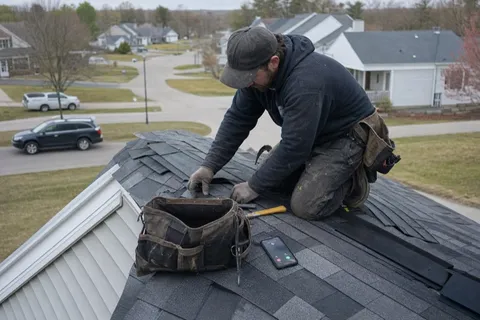
What a missed call really costs your roofing business
Every roofing lead costs you money, and you are on a roof when the phone rings. Here is what each missed call adds up to, and how to stop sending paid leads to voicemail.