
How to get cleaning clients (and stop wasting your marketing spend)
A practical playbook for booking more cleaning clients - the free and paid channels with the best ROI, plus the step most guides skip: answering the inquiry fast enough to actually land the job.

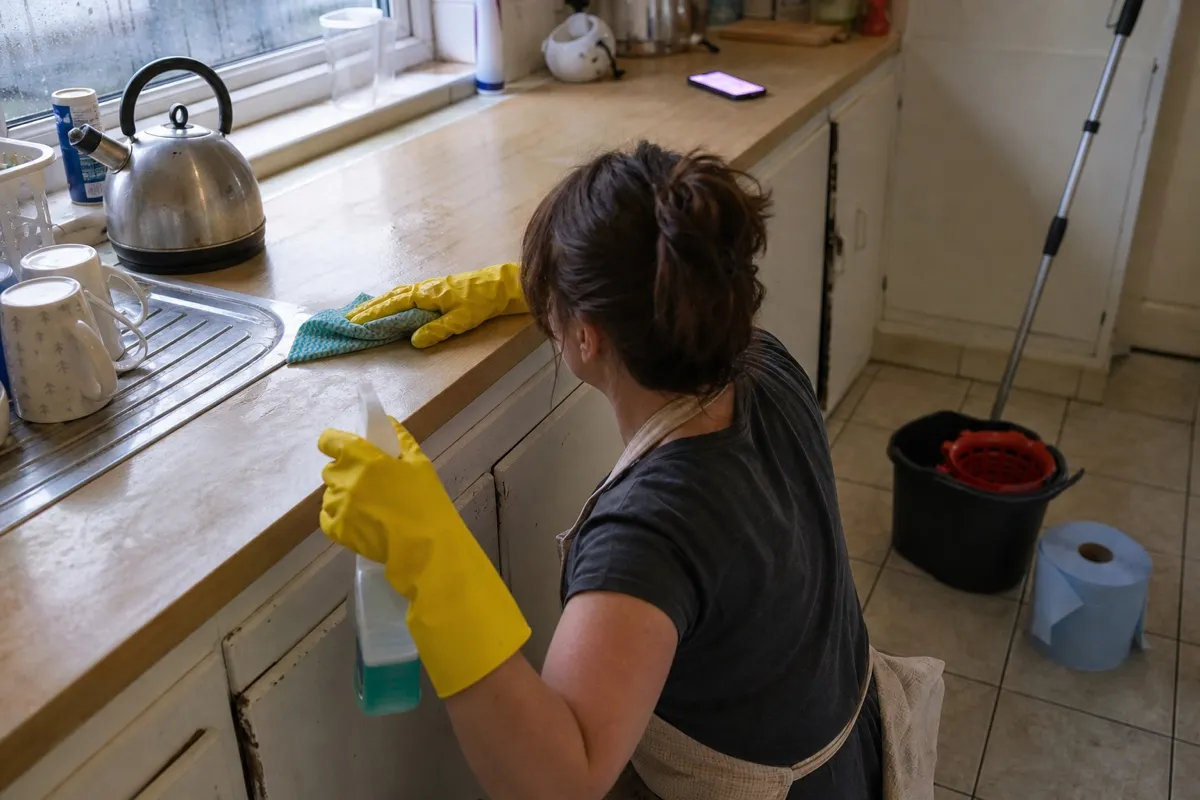
Getting cleaning clients is rarely about finding more leads. Most new cleaners already get inquiries; they just leak them. To win clients steadily, do three things: pick one customer type, get visible on the channels they actually use (Google Business Profile, local groups, referrals), and answer every inquiry within minutes. Speed beats polish every time.
That last point is where almost every guide stops short, so this playbook gives the acquisition channels their due and then covers the half nobody talks about: turning the inquiry into a booked job.
Pick who you serve first
Before you spend anything, decide who you clean for. "Anyone with a house or office" is not a market, and it makes every ad weaker.
The main cleaning niches each behave differently:
- Residential regulars - weekly or biweekly home cleans. Steady, referral-driven, found on Google and local groups.
- Move-out cleans - one-off, urgent, higher value. Landlords and property managers are the repeat buyers.
- Airbnb turnovers - time-critical, recurring, often booked by busy hosts who want one reliable person.
- Office and commercial - contract work, bigger and stickier, won by direct outreach rather than online search.
Pick one to start. Each hangs out in a different place and prices differently, so knowing your target sharpens every channel below. You can add a second niche once the first is paying.
Free channels that actually work
You do not need an ad budget to fill a route. The free channels below win local cleaning work consistently if you work them properly:
- Google Business Profile - the single highest-ROI free channel. Fill in every field, add photos of finished work, and ask every happy customer for a review. Local searches such as "cleaner near me" pull from here at zero spend.
- Local Facebook groups - community and "recommendations" groups are where homeowners ask for a cleaner by name. Be genuinely helpful, not spammy, and people will tag you.
- Referrals and reviews - your cheapest, warmest leads. Ask outright at the end of a good job, and make leaving a review effortless with a direct link.
- Flyers in target neighbourhoods - old-fashioned, but a flyer through the right doors in a postal code you already work beats a broad ad spend. Hit the streets next to existing customers.
These compound. A profile with thirty reviews and a steady trickle of referrals will out-earn paid ads within a year, for nothing but your time.
Paid channels worth testing
Once the free channels are working, paid ads buy speed. Keep a small-cleaner budget realistic and measured:
- Local Services Ads - you pay per lead and appear above normal results with a "Google Guaranteed" badge. Strong for residential because it targets ready-to-book searchers.
- Google Search Ads - bid on local "cleaner" terms. Workable on a small budget if you stay tightly local and track which keywords actually book.
- Paid social - cheap reach, colder intent. Better for awareness and seasonal offers (spring cleans, move-out specials) than for instant bookings.
Whatever you spend, track cost per booked job, not cost per click. An ad that delivers ten inquiries you never answer has cost you money for nothing.
Winning office and commercial contracts
Commercial work is won differently. Offices, gyms, and clinics rarely fill in a web form; they call, email, or put the work out to bid.
The two routes that work:
- Direct outreach - identify local businesses, find the person who handles facilities, and reach out with a specific, priced proposal rather than a generic flyer.
- Bids and procurement - larger sites and public agencies advertise contracts. These take effort but reward a tidy quote and a reliable reputation.
Either way, the inquiry usually arrives as a phone call to your business. A facilities manager who can't reach you on the first try simply moves to the next cleaner on the list. That brings us to the part everyone skips.
Convert the lead in minutes, or lose it
You can win the click and the call, but if no one answers the phone the spend is wasted. This is the half of the funnel every other guide ignores, and it is where most cleaning marketing money quietly disappears.
The math is simple. A missed inquiry is a job priced at zero. It does not matter whether that lead came from a free Google Business Profile or a paid ad you bought; an unanswered call earns nothing either way. And cleaning is a phone-first trade: most people booking a cleaner still call rather than fill in a form, because they want reassurance from a real voice before letting someone into their home.
Speed-to-lead is decisive. The cleaner who answers first usually books the job before the customer even reaches the next name on the list. But you cannot answer the phone with your hands in a sink, and you cannot field calls all evening after a full day of cleans.
That is the gap an AI receptionist fills. It answers every inquiry instantly, in your business's name, takes the customer's details, quotes from your rate card, and books or texts you the job, whether you are mid-clean, driving between sites, or off the clock. Every lead your marketing earns gets caught instead of leaking away. (When the quote does come up, make sure you are pricing to win - our guide on how much to charge for cleaning covers the rate bands.)
A simple weekly client-getting routine
Acquisition works when it is a habit, not a panic. A repeatable weekly cadence keeps the calendar full:
- Monday - ask last week's happy customers for a review and a referral.
- Midweek - post or reply helpfully in one local group; refresh your Google Business Profile with a recent photo.
- Ongoing - answer every inquiry within minutes, every time, no exceptions.
- Monthly - review where your booked jobs actually came from, and put more into what works.
Do this and the leads stop being the problem. The cleaners who grow are not the ones with the cleverest ads; they are the ones who show up consistently and answer the phone. To see how the intake side fits the rest of your setup, look at running a cleaning business with Hey Jodie.
Frequently asked questions
- How do I find clients as a cleaner?
- Start with the channels that cost nothing and convert fast: a complete Google Business Profile, local Facebook groups, and asking happy customers for referrals and reviews. Pick one residential or commercial niche so your marketing lands, then test paid ads only once the free channels are working. The channel matters less than how fast you respond to the inquiry that comes back.
- How do I find my audience for my cleaning business?
- Pick one customer type before you spend a dollar on marketing. Residential regulars, move-out jobs, Airbnb turnovers, and office contracts each live in different places and pay differently. Decide who you serve, then market where they already look: your Google profile and local groups for homes, direct outreach and bids for offices.
- How do I get cleaning clients fast?
- Speed-to-lead is the whole game. Most cleaning inquiries still come by phone, and the cleaner who answers usually wins the job before anyone else calls back. Make sure every call is answered live, in minutes, even when you are mid-clean or off the clock. A fast quote from a second-choice cleaner beats a perfect quote from one who called back tomorrow.
- Can I get cleaning clients for free?
- Yes. A complete, well-reviewed Google Business Profile wins local searches at zero ad spend, and local Facebook groups, referrals, and flyers in your target neighbourhoods cost only your time. Free channels are slower to build than paid ads but compound over months. The catch is the same as paid: a free lead is still wasted if no one answers when they call.
More cleaners guides
How much to charge for cleaning: a Canadian pricing guide for operators
What to charge for house, deep, move-out, office and Airbnb cleaning in Canada - real rate bands in dollars, hourly vs flat vs per-room vs per-square-foot, and how to quote so you win the job.
Best cleaning business software for Canadian operators in 2026
A vendor-neutral comparison of cleaning business software for Canadian operators, covering scheduling, job management, online booking, and the phone-intake layer most roundups skip.