
How much it costs to start a private therapy practice in Ireland
The real cost of opening and running a private therapy practice in Ireland: itemised startup and monthly numbers, what to charge per session, what owners take home, and the revenue that quietly leaks away.

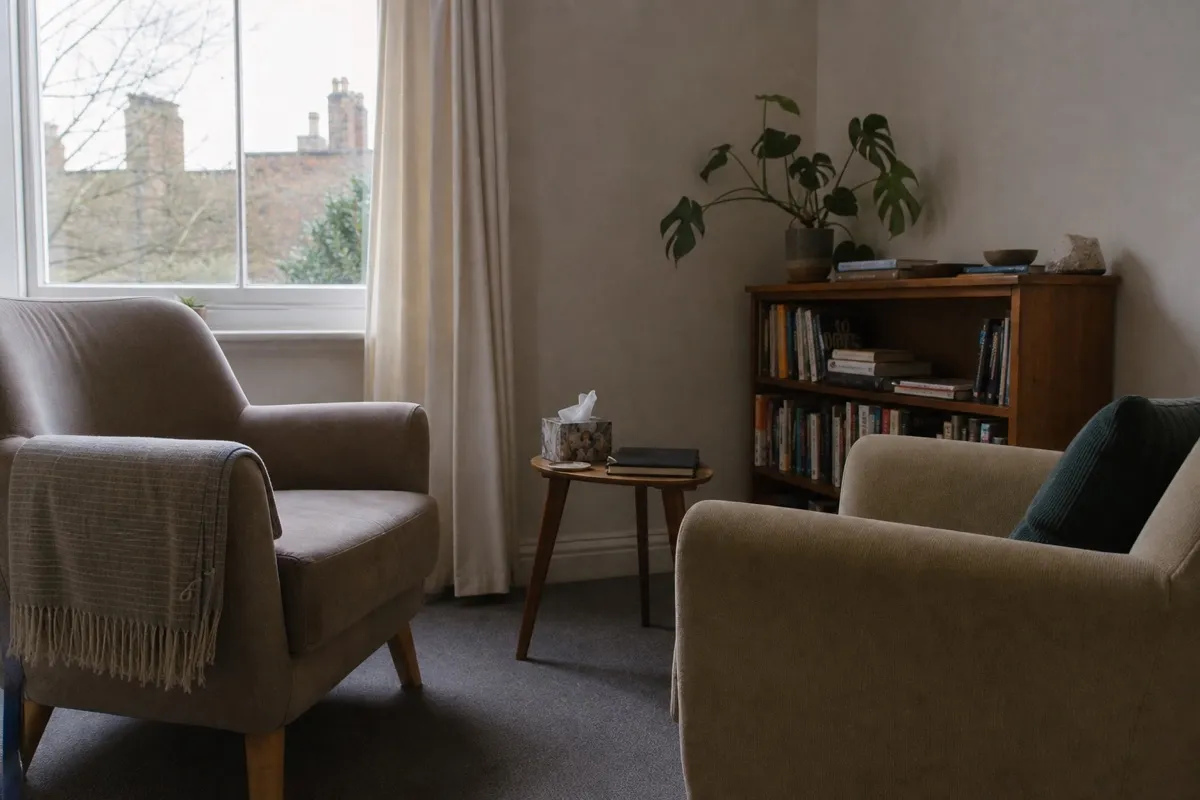
Most guides to opening a private practice hand you a list of things to buy, then go quiet the moment you ask what any of it costs. You walk away with a checklist and no budget.
So let's put real numbers on it. Below is what it actually takes to start and run a private therapy practice in Ireland, what to charge once your doors are open, what a practice realistically earns, and the quiet leaks that decide whether the maths works.
What it costs to start a private therapy practice
Starting lean, working from telehealth or a part-time room, most therapists can open for roughly 1,500 to 4,500 euro. The biggest variable is whether you rent a fixed consulting room from day one or start virtual and add space later. Here is where the money goes.
| Startup cost | Lean | Typical |
|---|---|---|
| Professional indemnity insurance (annual) | around 120 euro | around 300 euro |
| Practice software (first months) | around 0 euro | around 150 euro |
| Website + directory listing | around 120 euro | around 500 euro |
| Business registration and data protection | around 50 euro | around 150 euro |
| Branding, logo, basic furnishing | around 120 euro | around 700 euro |
| Room deposit or initial rent | around 0 euro | around 1,200 euro |
| Rough total to open | around 1,500 euro | around 4,500 euro |
These are ranges, not quotes. The point is the order of magnitude: opening a private therapy practice is one of the cheaper businesses to start, because your main asset is an accreditation you already hold. The trap is not the startup bill. It is the running cost and the revenue you let slip once you are open.
The startup steps, in order
If you are at the planning stage, the sequence matters as much as the spend. Work through it in this order so nothing blocks the next thing.
- Confirm your accreditation route with a body such as the IACP, IAHIP or ICP, and the supervised practice you still need to log.
- Register as a business and sort your GDPR and data protection obligations before you hold any client records.
- Pick a business structure (a sole trader is fine for most to start) and open a separate business bank account.
- Choose GDPR-compliant practice software and sign the data agreement before you take a single client.
- Set your session fee against your local private-pay market (more on that below).
- Set up telehealth, or secure a room or sessional space if you are seeing people in person.
- Build a converting directory profile (Psychology Today and the Counselling Directory) and a simple website.
Notice what is missing from every checklist like this one: how you actually answer the phone when a prospect calls. We will come back to that, because it is the step that quietly undoes the rest.
Monthly running costs once you are open
The startup bill is a one-off. The running cost is forever, and it is what your fee has to cover before you earn a cent. A solo practice typically carries:
- Practice software subscription, billed monthly per clinician.
- Room rent, if you are not on telehealth. This is usually the single largest line.
- Professional indemnity insurance, spread over the year.
- Directory listings such as Psychology Today and the Counselling Directory, on annual or monthly plans.
- Card-processing fees, a small percentage of every session you take payment for.
- Your own clinical supervision and continuing professional development, which never stops.
For a lean telehealth practice the monthly figure can sit in the low hundreds of euro. Add a consulting room and it climbs fast. Either way, your session fee has to clear all of it before it becomes income, which is exactly why the fee is not a number to guess at.
What to charge per session
Set your fee against your local private-pay market, not against an EAP or HSE-linked rate. Scheme rates are a floor designed to move volume, not a signal of what your time is worth.
Find the going private rate for your modality and area, then position yourself at or slightly above the middle once you are accredited and have a clear niche. Private-pay rates run higher than scheme work because you carry less admin and nobody takes a cut on the way through.
The trade-off is real. EAP and scheme work brings volume with more paperwork and a lower rate; private-pay brings a higher rate and less admin, but you have to generate your own demand. Most thriving solo practices lean private-pay and treat demand generation, not discounting, as the job.
What a private practice actually earns
Here is the maths the salary articles never finish. Owner take-home is caseload times session fee, minus your running costs, minus leakage.
On paper it looks generous. A full week of private-pay sessions at a solid fee, week after week, carries a busy solo therapist a long way up the income ladder. The reason the bank balance rarely matches the spreadsheet is the part nobody itemises: the gap between the sessions you could bill and the sessions you actually bill.
That gap has two causes, and both are fixable.
The leaks that erode it: no-shows and missed calls
A no-show is a paid hour gone with no way to get it back. A solid cancellation policy and an automated reminder recover most of those. But the bigger, quieter leak sits upstream of any client ever booking.
When you are in a fifty-minute session, your phone is on silent. A prospective client who has finally worked up the nerve to call gets voicemail. Most of them do not leave a message. They go back to the directory and call the next therapist who picks up, and that client, along with every session they would ever have booked, becomes someone else's income.
You cannot answer mid-session, and you should not try. But the call does not have to go to voicemail. An answering service built for this can take the enquiry, capture what the caller needs, and book or pass it to you, so the phone ringing while you work stops costing you clients.
The full playbook for filling a caseload is its own job, and we cover the channels that actually work in how to get more therapy clients. The software that schedules, notes and bills those clients is covered in our rundown of the best practice management software for therapists.
Run your own numbers
The figures above are a starting frame, not your business plan. Your insurance, your room, your fee and your market will move them. What does not change is the shape: a modest startup bill, a fixed monthly cost your fee has to clear, and a take-home that lives or dies on how few sessions leak away.
Spend an hour costing your own version before you open. Then protect the income end as hard as you planned the startup end, because a full diary is worth far more than a cheap one. If you want to see how the calls get answered while you are with a client, start with our overview of call answering for therapists.
Frequently asked questions
- How much does it cost to start a private therapy practice in Ireland?
- Starting lean and working from telehealth or a part-time room, most therapists can open for somewhere between 1,500 and 4,500 euro. The big line items are professional indemnity insurance, GDPR-compliant practice software, a basic website and directory listing, and your business registration. Renting a fixed consulting room adds the most, which is why most people start virtual or sessional and add a room once the caseload justifies it.
- How much should I charge per session?
- Set your fee against your local private-pay market, not against an EAP or HSE-linked rate. Find the going private rate for your modality and area, then sit at or slightly above the middle once you are accredited and have a niche. Private-pay rates run higher than scheme work because you carry less admin and nobody takes a cut on the way through. Do not undercharge to fill slots fast, because a low fee is hard to raise later and signals less, not more.
- How do therapists earn a six-figure income?
- It is caseload times session fee, minus costs and minus leakage. A full week of private-pay clients at a solid fee gets most of the way there on paper. The gap between the paper figure and the bank balance is the part nobody plans for: no-shows, late cancellations, and the enquiry calls that never converted because the phone rang while you were in session. Protecting those is usually easier than adding more clients.
- What is the accreditation requirement after qualifying?
- Most routes expect a period of supervised or pre-accredited practice before you are fully accredited, and ongoing supervision after that. In Ireland that usually means working toward and maintaining accreditation with a body such as the IACP, IAHIP or ICP, with regular clinical supervision built in. Budget for supervision as a recurring monthly cost, not a one-off, because it continues for as long as you practise.
More therapists & counsellors guides
How to get more therapy clients and keep a full caseload
A practical playbook for getting more therapy clients: the directory and referral fundamentals that actually fill a caseload, plus the biggest leak nobody fixes - missing the first call while you are in session.
Best practice management software for Irish therapists in 2026
A vendor-neutral, named-author comparison of practice management software for a solo or small Irish therapy or counselling practice: how scheduling, notes and billing compare, what each tool costs in euro, GDPR considerations, and the call-and-booking layer that sits alongside it.
Chiropractic marketing costs in Ireland, and what actually books patients
A numbers-first breakdown of chiropractic marketing spend by channel in euro, a realistic cost per new patient, and the conversion leak no agency talks about: the calls your spend pays for but the front desk misses.