
After-hours call handling for property managers: a triage playbook
The out-of-hours system most vendors skip: a triage decision tree for tenant emergencies, when to dispatch a contractor, how to script the message, and why night-time call capture keeps your owners.

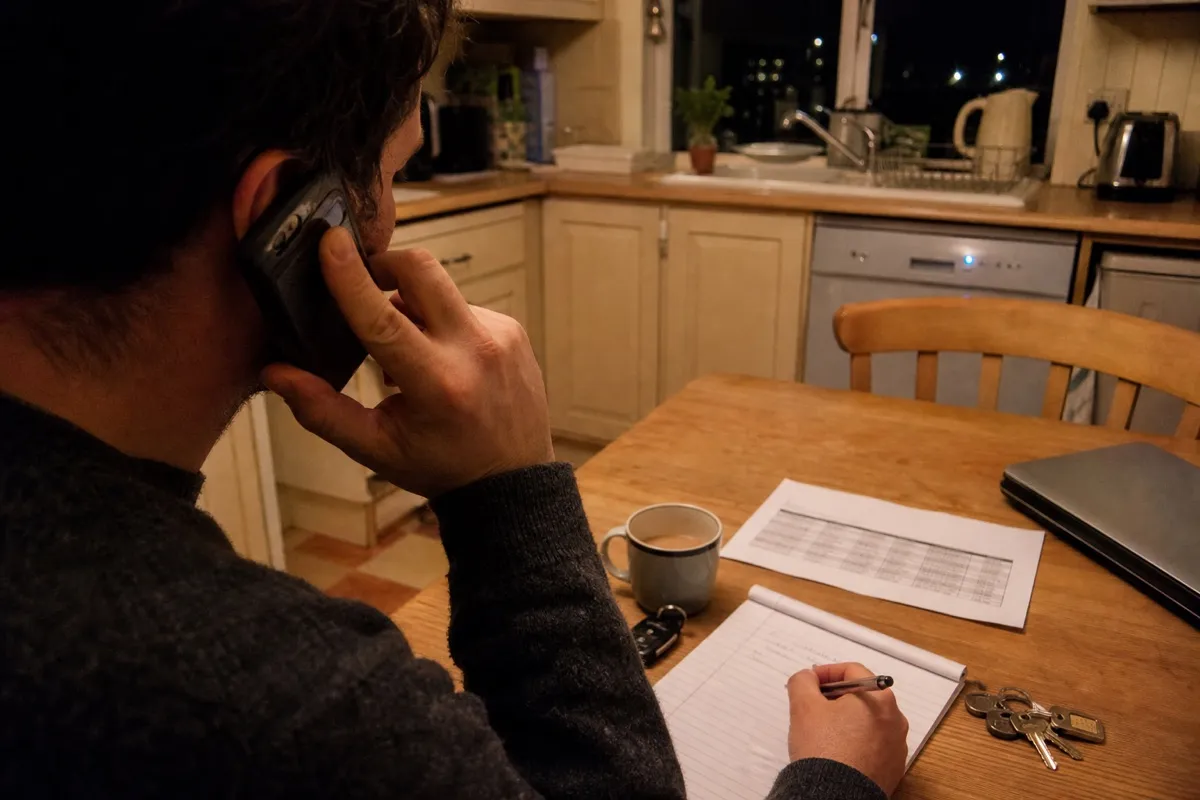
After-hours call handling for property managers comes down to one repeatable process: answer every call, classify it against a clear emergency definition, route true emergencies to an on-call contractor, and log everything else for the morning. Run those four steps consistently and you protect tenants, stop losing owners to voicemail, and never work a night shift yourself.
Picture 11pm on a Sunday in January, minus twenty outside. A tenant calls: no heat, two young kids in the unit. The next call is an owner you have been courting for a month, asking whether you handle after-hours coverage before they move their portfolio to you. Miss either call and the cost is not one phone call. It is a vulnerable tenant, a tenancy-board complaint, or a contract worth months of management fees walking to the firm across town.
This is the playbook the answering-service sales pages never publish. Here is how to handle after-hours property calls the right way.
Why after-hours calls decide whether you keep owners
Most maintenance problems do not politely wait for business hours. A large share of repair issues surface in the evenings and on weekends, when people are home and using the property. So a phone line that goes to voicemail after 5pm is unanswered for the exact hours your tenants most need it.
The damage runs two ways. A tenant who cannot reach anyone during a real emergency is a complaint, a damage-deposit dispute, or a worsening leak waiting to happen. And a prospective owner who tests your number after hours - which they do - and gets a voicemail box has just learned everything they need to know about how you would manage their property.
That second point is the one operators underrate. A single missed new-owner inquiry is not a lost call; it is a lost management contract worth months of fees. Capturing after-hours calls is not just risk control - it is how you win and keep owners.
What counts as a true after-hours emergency
The foundation of the whole process is a written definition of what actually constitutes an emergency. Without it, every late call becomes a judgment call, and either you dispatch a contractor at premium rates for a dripping faucet or you ignore something that floods a unit.
Keep a one-page list. A genuine after-hours emergency is typically:
- A suspected gas leak or a smell of gas
- A major water leak or flood that cannot be shut off at the main valve
- Total loss of heat in cold weather, especially with vulnerable occupants
- A complete loss of electrical power
- A security failure - a door or window that will not lock, or a tenant locked out
- Fire, or a carbon monoxide alarm sounding
Everything not on the emergency list gets captured and called back. The job of the person or system answering is to apply this test, not to negotiate it at midnight.
The triage decision tree
This is the core of after-hours handling: a fixed sequence that anyone - or anything - answering your phone can follow. Run the same four steps on every call.
- Identify. Confirm who is calling, which property, and a callback number first, before anything else. If the line drops, you can still act. Get a plain description of what is happening right now.
- Classify. Test the issue against your emergency definition. Is there a risk to safety? Is damage actively getting worse? Can the tenant shut it off at the main valve or the breaker panel until morning? Active uncontrolled water, any gas or electrical risk, or no heat in the cold is an emergency. Anything that can be safely isolated or simply waited out is not.
- Route. For a genuine emergency, give the tenant immediate safety steps (shut off the water main, leave the property and call the gas emergency line, do not switch anything on) and dispatch the right on-call contractor. For a non-emergency, reassure the tenant, explain it will be handled first thing, and schedule it.
- Log. Record the call, the classification, the action taken, and any contractor dispatched. By the start of the next business day you want a clean record, not a guess about what happened overnight.
Identify, classify, route, log. The same four steps every time is what makes after-hours handling consistent instead of chaotic - and consistency is what survives the 3am call when judgment is at its worst.
Who calls the contractor, and when
Triage is only useful if the next link holds. Before you ever take an after-hours call, build the escalation side:
- An on-call contractor list by trade - plumber, licensed gas fitter, electrician, locksmith, drain specialist - with the numbers that actually answer at night, not the office line.
- Authorization limits in writing. Agree with each owner a spending threshold (commonly a few hundred dollars) below which you can order emergency work without calling them at midnight. Above it, you call.
- What to confirm before dispatch: the contractor can come tonight, an estimated service-call cost, and access arrangements so they are not stuck outside a locked lobby door.
The point of agreed limits is that a real emergency never stalls waiting for an owner to wake up, and you are never personally on the hook for a bill you had no authority to approve.
How to script the after-hours message
What gets said matters as much as what gets done. For an emergency, the tenant needs calm, specific instructions and a clear "a contractor is on the way, here is roughly when." For a non-emergency, they need to be taken seriously and given a firm time, because the thing that sends a tenant to complain - or an owner to leave - is silence, not a slightly delayed repair.
Keep a third script for the calls that are not maintenance at all: the prospective owner calling after hours. That call should never hit voicemail. Take the name, the portfolio size, and a callback time, and treat it as the warm lead it is. As covered in the comparison of answering options for property managers, missing these inquiries is the most expensive after-hours failure of all.
Why capturing every call wins you owners
Run this playbook by hand and one thing becomes obvious fast: you cannot personally answer every call at 2am and manage a portfolio the next day. The triage rules are clear, but somebody has to be awake to apply them.
That is the gap an always-on answering layer fills. It picks up every after-hours call instantly, runs your exact triage script, flags real emergencies and notifies you (or transfers to your on-call contractor) so the right trade is dispatched, captures prospective-owner inquiries, and hands you a clean log in the morning - so the on-call rotation you never want to run runs itself.
Done right, after-hours handling stops being the thing you dread and becomes a reason owners choose you over the firm that lets the phone ring out. It is not about heroics at 2am. It is a documented process, applied to every single call, whether you are awake for it or not. See how it fits the wider picture of answering and call handling for property managers, and what the right fee structure should reflect for the coverage you provide.
Frequently asked questions
- What counts as an after-hours property emergency?
- A genuine after-hours emergency is anything that threatens safety or causes worsening damage if it waits until morning: a suspected gas leak, a major leak or flood, total loss of heat in cold weather, no power, a security failure or lockout, or fire and carbon monoxide. A dripping faucet, a single broken appliance, or a noise complaint can wait until the next business day.
- How do you handle after-hours maintenance calls without a 24/7 team?
- You do not need staff on a night shift. Write a triage script and a one-page emergency definition, keep an on-call contractor list with agreed spending limits, and put an answering layer in front of your line that applies those rules: it picks up every call, classifies the issue, notifies you (or transfers to your on-call contractor) for real emergencies, and logs everything else for the morning.
- Do tenants expect 24/7 contact for repairs?
- Tenants expect a true emergency to reach someone at any hour, and most leases and provincial residential-tenancy rules back that up. They do not expect a routine repair to be fixed at midnight. The point of a triage process is to meet the real obligation - reachable for emergencies - without committing to fix everything around the clock.
- What does an after-hours property management service actually cover?
- A good after-hours service answers the phone 24/7, runs your triage rules to separate emergencies from jobs that wait, flags the emergency and notifies you (or transfers to your on-call contractor) so the right trade is dispatched, scripts the right message to the tenant, captures prospective-owner inquiries, and logs every call so you have a clean record by the start of the next business day.
More property management guides
Best answering service for property management: AI vs human vs voicemail vs in-house
Four ways to cover a property management phone line - AI receptionist, human answering service, voicemail, and an in-house hire - compared on maintenance triage, after-hours emergency routing, 24/7 coverage, and the real monthly bill.

Property management fees in Canada: setting your rate and packaging it
How Canadian property managers set fees: percentage of rent vs flat fee vs leasing fee, benchmarks by service tier, and packaging that wins owners without looking like hidden charges.
Best property management software in Canada (2026)
A vendor-neutral roundup of the best property management software for Canadian rental managers and portfolio landlords in 2026, picked by the job it does: leasing, rent collection, maintenance, compliance and owner reporting, plus the one job none of them do.