
How plumbers can handle after-hours and emergency calls without burning out
A frozen pipe at midnight will not wait for business hours. Here is a practical way to cover nights and weekends, triage true emergencies, and stop good jobs from slipping away after dark.

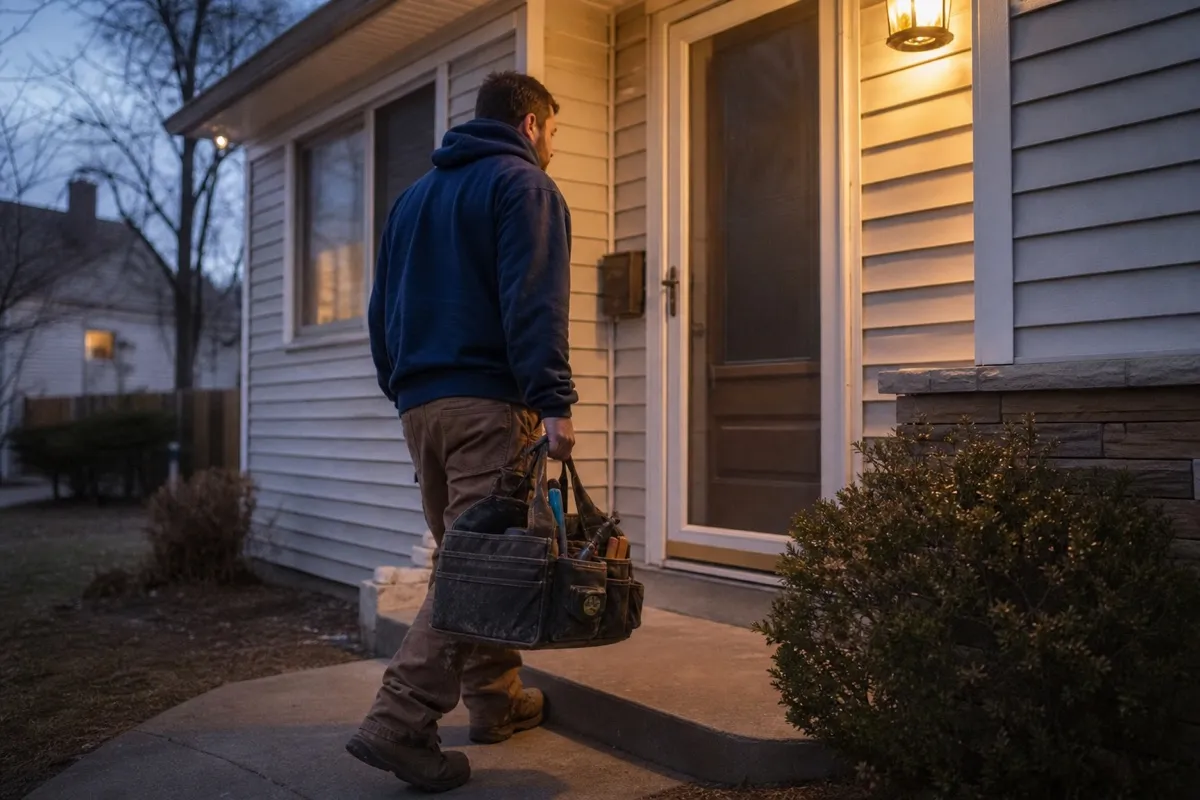
A pipe that freezes and bursts at midnight does not care that you clocked off at five. Neither does a water heater that quits on the coldest weekend of the winter. After-hours calls are some of the most valuable work a plumber sees, because the customer is desperate and their usual price sensitivity flips: they will happily pay a premium for the one person who actually shows up.
The catch is that being reachable around the clock and staying rested pull against each other. This playbook is about holding onto both.
1. Decide what "available" actually means for you
Start by settling, in plain terms, the hours you genuinely offer emergency cover and the rate you charge for it. There is no single correct answer:
- Some plumbers run true 24/7 emergency cover at a premium rate.
- Some take evenings and weekends but draw the line at the middle of the night.
- Some hold firm daytime hours and simply make sure after-hours calls are captured and returned first thing.
All three work. What does not work is leaving it vague, because then every late call turns into a guilt-laden judgement call and you wind up half-answering at 1am while quietly resenting it.
2. Triage every call, even the ones you do not take
The single most useful habit is triage: quickly separating genuine emergencies from jobs that can wait. A simple test covers nearly every call:
- Is water flowing or leaking uncontrollably right now?
- Is anyone, or the property, at risk if this waits?
- Can the customer shut the problem off at the main shutoff valve until morning?
Active, uncontrolled water or any safety risk is a true emergency worth getting out of bed for. A slow drip, a running toilet, or anything that can be isolated can hold until morning without costing you the customer, as long as they have spoken to a real person and have a firm time on the books.
3. Give callers a real interaction, not a dead end
The worst after-hours outcome is a panicked customer hitting voicemail. Even if you are not driving out at 3am, the caller needs to reach something that listens, reassures them, takes the details, and tells them what happens next.
That one interaction is usually all it takes to keep the job. People will wait until morning far more often than you would expect, but only when someone has acknowledged their problem and promised a callback. Silence is what sends them to the next number on the list. It is the same reason missed calls cost a plumbing business so much: the caller moves on the instant they hit a dead end.
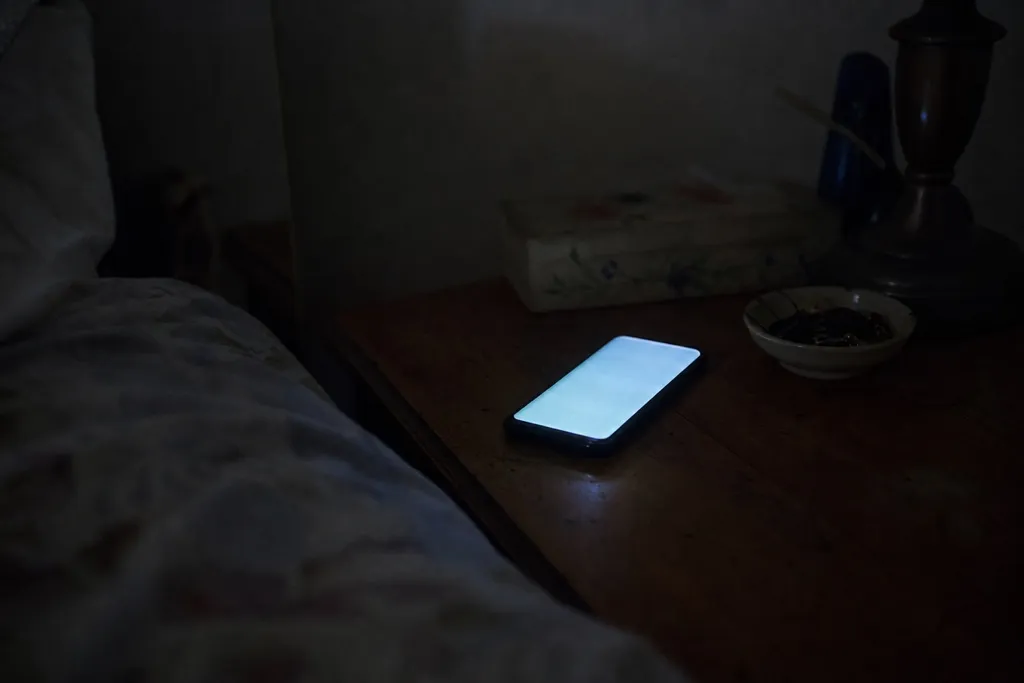
4. Set up cover that does not run on your sleep
If you have a crew, an on-call rotation spreads the load so no single person is always on the hook. Working solo, that is off the table, and this is where the math of the night shift turns brutal: you cannot personally answer every call and still be fit to work the next day.
This is exactly the gap an AI receptionist fills. It answers every after-hours call on the spot, runs your triage questions, quotes your emergency rate, captures the details, and texts you the real emergencies so you decide what is worth getting up for, while everything else sits waiting tidily for the morning.
5. Capture everything for the morning
Whatever you settle on for which calls to take live, make sure not one after-hours enquiry slips away. Every captured name, number, and description of the problem is a job you can lock in over a coffee at 7am, before the customer has thought to call anyone else.
Done right, after-hours calls stop being a source of dread and become one of the most dependable ways to fill your schedule. The win is never the heroics of answering at 2am. It is making sure every call is answered, triaged, and captured, whether you are awake for it or not. See how that fits the bigger picture of call handling for plumbers.
Related Jodie features
Frequently asked questions
- Should I be answering the phone at 2am?
- Only if you truly run a 24-hour emergency service and price it accordingly. Otherwise the late nights will wear you down fast. A smarter setup is to make sure every after-hours call is answered and triaged, so the real emergencies reach you and everything else is logged for the morning, without you lying awake over a dripping faucet.
- How do I tell a real emergency from a job that can wait?
- A handful of questions sorts it in seconds: is water actively flowing or leaking, is anyone or any property at risk, and can the supply be shut off at the main valve? Uncontrolled water or any safety concern is an emergency. A slow drip or anything the customer can isolate themselves can almost always hold until morning.
- Can I charge more for after-hours call-outs?
- Yes, and you should. A higher rate for evenings, weekends, and statutory holidays is standard practice and completely fair. Just be clear about it the moment the call comes in so nobody is surprised, and make sure whoever or whatever answers your phone can quote that rate plainly.
More plumbers guides
The real cost of missed calls for a Canadian plumbing business
Few plumbers ever tally up what slips away each time the phone rings and goes unanswered. Here is the plain math, and the cheapest ways to plug the leak.
Answering service vs voicemail vs hiring a receptionist for plumbers
Voicemail, calling back later, a hired receptionist, or an AI answering service. A straight look at what each one costs a plumbing business in Canada and which one wins for most.
Plumbing invoicing and job-management software that actually gets you paid
A vendor-neutral buyer guide to plumbing invoicing and job-management software for Canadian trades: what each tool is best for, how per-seat pricing works, and the call-handling layer the vendors all skip.