
How to set your mechanical workshop labour rate in 2026
Trying to land on the right hourly charge? Do the break-even maths, manage your effective labour rate, and learn what the market pays so jobs actually profit.

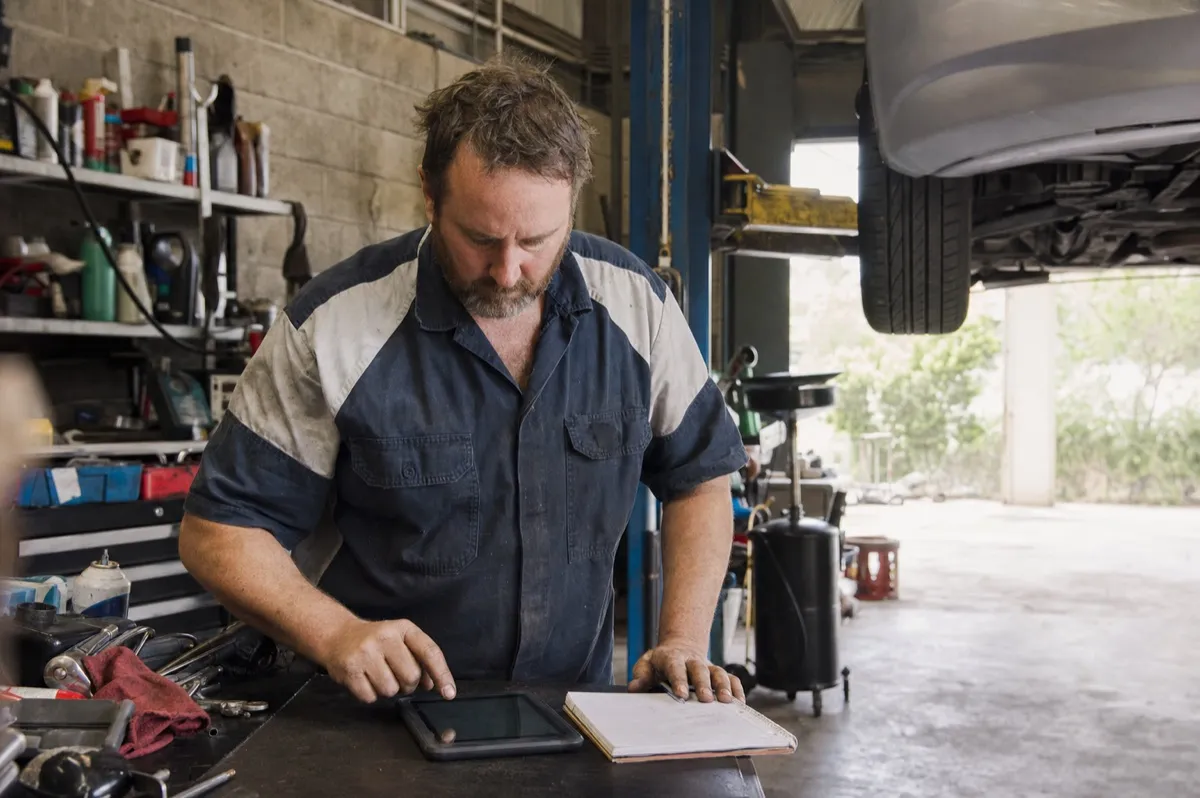
Most workshop owners know their hourly rate to the dollar. Far fewer know what it leaves them once the warranty jobs and comebacks are counted. Most independent workshops post around 110 to 160 dollars an hour for labour, with dealers and specialists higher and rural workshops lower. But the posted rate is not what pays your bills. The number that matters is your effective labour rate, the money you really collect per booked hour, and it is almost always lower than the figure on the wall.
This guide is for the person running the workshop, not the customer getting a quote. Most labour-rate articles tell a car owner whether they are being charged fairly. This one helps you set a rate that keeps your workshop profitable.
What most workshops charge right now
Here is the going rate as a benchmark to position against, not a target to copy. Rates move with region, the kind of work, and whether you are an independent or a franchised dealer. Diagnostic and specialist work carries a premium; routine maintenance sits lower.
| Type of workshop or work | Typical hourly range | Notes |
|---|---|---|
| Independent workshop | Around 110 to 150 dollars | Varies widely by region and demand |
| Dealership / franchise | Around 150 to 200 dollars | Higher overhead, brand-specific tooling |
| Specialist / performance | Around 155 to 220 dollars | Diagnostics, EVs, marque specialists |
| Rural / lower-cost area | Around 90 to 120 dollars | Lower overhead, more price-sensitive |
Knowing the going rate tells you whether you are roughly in the right area. It does not tell you whether your number actually covers your costs, which is the part that decides whether the workshop makes money.
Posted rate vs effective labour rate
This is the gap nobody explains, and it is where most workshops quietly lose money. Your posted rate is the figure on the wall. Your effective labour rate is what you actually collect per hour a technician is paid to work, after warranty jobs, comebacks, discounts, "while you are in there" goodwill and time written off a job card.
A workshop can post 150 an hour and run an effective rate nearer 110 once all that leakage comes out. The posted rate is marketing. The effective rate is the truth, and it is the number you should be managing.
How to set your rate from the ground up
Copying the workshop down the road is the most common pricing mistake there is. You do not know their overhead, their technician pay or whether they are quietly losing money. Build your rate from your own numbers instead.
Work out your break-even cost per billable hour first:
- Add up a full year of overhead: rent, power, equipment finance, insurance, software, workshop consumables, and your own pay as the owner.
- Add your technician pay, including KiwiSaver, holiday pay and any benefits.
- Divide that total by the hours you can realistically bill in a year, not the hours you are open. Hoists sit empty, diagnostics run long, and not every hour gets sold.
A worked example: say your annual overhead plus technician cost lands at around 360,000 dollars, and across two techs you can genuinely bill 3,000 hours a year after dead time. That is 120 dollars an hour just to break even. Add a 40 percent target margin and you are at roughly 168 dollars an hour before you have made a cent of profit beyond your costs. That is your floor, and it is usually higher than owners expect.
Then add your target margin on top of break-even. Undercutting to win work is a trap: you end up fully booked at a rate that never builds anything. If you want to fill those hoists the right way, our guide to getting more customers into your auto repair shop covers the marketing that actually books jobs.
What quietly destroys your real rate
A few hidden costs do more damage to your effective rate than the headline number suggests.
Comebacks are the obvious one: a job that returns is two labour hours sold once. Then there is unbilled diagnostic time, goodwill discounts, and the time that never makes it onto a job card at all. Each of those drags your effective rate down below the figure on the wall.
But the most expensive unbilled hour is the one you never even started: the booking call that rang out. Every hour you advertise at full rate is only revenue if a customer actually reaches you. A missed call is an unbillable hour at your full posted rate, and it leaves no trace in your numbers, so it is the leak owners almost never see.

You can set a perfect rate and still lose money if a chunk of your booking calls go to voicemail while you are under a car. That work walks straight to the next workshop on the map.
Reviewing and raising your rate without losing customers
Rates should move as your costs do. Most workshops leave them too long and then face an awkward jump. Review your effective labour rate at least once a year against your overhead and technician pay, and nudge the posted rate up in small, regular steps rather than one big leap.
When you do raise it, lead with value, not apology. Customers rarely leave over a few dollars an hour when the work is good, the bay is clean and the phone gets answered. They leave over poor communication. A clear written estimate and a workshop that is easy to reach protects far more margin than holding a low rate ever will.
The point is not the exact number
Your rate will differ from the benchmarks above, and it should. Your overhead, your technician pay, your region and your specialty all move it. What does not change is the method: build your rate from your real costs, manage your effective labour rate rather than the figure on the wall, and plug the leaks before you assume you simply need to charge more.
Run your own version this week. Your break-even cost per billable hour, plus the margin you want, tells you what to post. The booked hours you are losing tell you why a good rate has not meant a good profit. If you want to see how answering every call fits into that picture, start with our overview of call answering for mechanical workshops.
Frequently asked questions
- How much do most workshops charge for labour?
- Most independent workshops charge somewhere around 110 to 160 dollars an hour, with dealerships and specialist work running higher and rural workshops lower. Treat that as the going rate to position against, not your rate. The number that actually pays your bills depends on your overhead, your technician pay and the margin you need, not on what the workshop down the road posts.
- How should I set my workshop hourly rate?
- Set it from your costs, not from the competition. Add up a year of overhead, technician pay and your target margin, then divide by the hours you can realistically bill, not the hours you are open. That gives you your true break-even, and your effective labour rate, the money you actually collect per booked hour, is the number to manage, not the rate on the wall.
- Is 160 an hour expensive for a mechanic?
- Not necessarily. A posted rate of 160 dollars an hour is normal for a dealership or a specialist workshop in a main centre, while an independent in a cheaper area might sit nearer 110 to 130. What matters to the customer is the total repair bill and the quality of work, not the headline rate. What matters to you is whether that rate covers your real costs across the hours you actually book.
- What is the 30-60-90 rule for cars?
- It is a maintenance-interval framework: vehicles get scheduled service checks at roughly 30,000, 60,000 and 90,000 kilometres, each with its own list of inspections and replacements. For a workshop owner it is a service-menu opportunity, a predictable reason to bring customers back, so price those packages clearly and use them to fill the bays between bigger repairs.
More mechanics & workshops guides
How to get more customers into your auto repair shop
A practical car-count playbook for Kiwi shop owners: the marketing that actually books work, what to budget, a one-page plan you can copy, and the leak that wastes the rest.
Best auto repair shop software in 2026: an honest buyer guide for NZ
An independent buyer guide to auto repair shop software for New Zealand workshops. Compare the real options by job, see pricing in dollars, and find the one layer every vendor leaves out: how the shop answers the phone.