
How to get more electrical work: a practical playbook for NZ electricians
A step-by-step playbook for winning more electrical work in New Zealand: the lead channels that actually pay off, then the conversion half nobody covers - answering every call so the leads you generate turn into booked jobs.

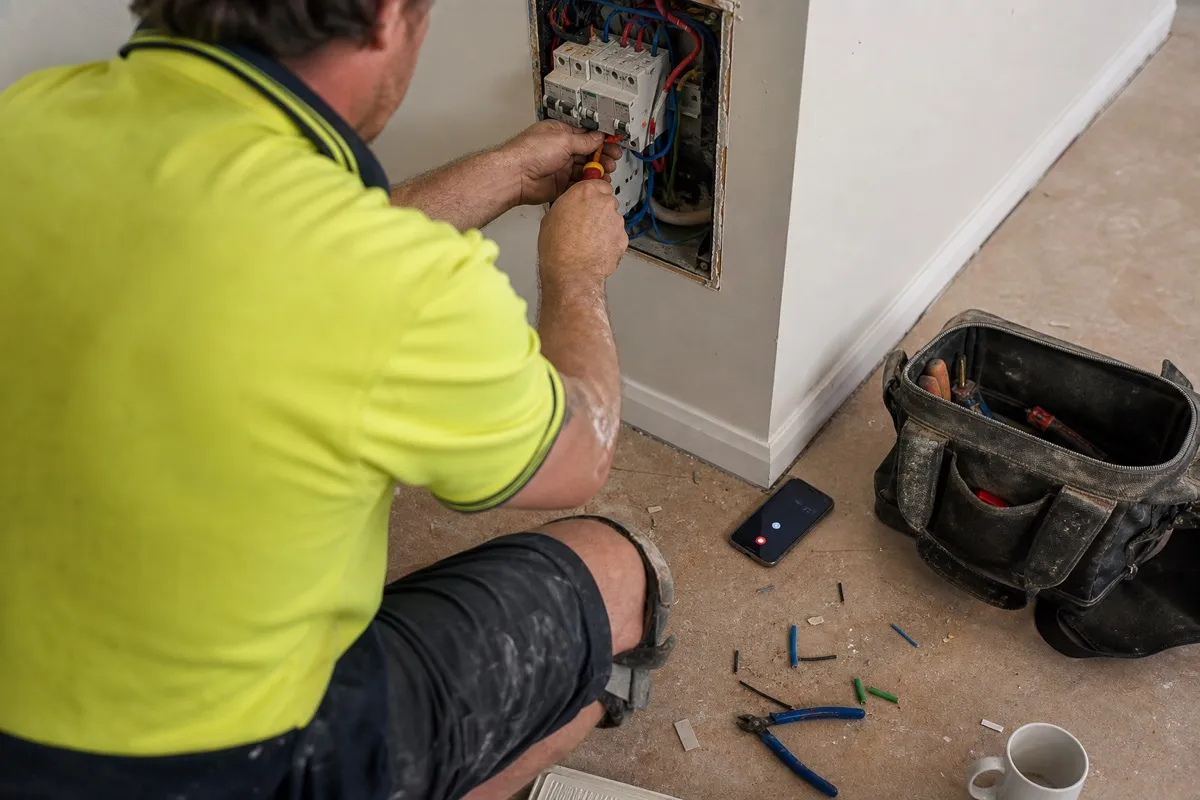
There are two halves to getting more electrical work, and most guides only bother with one: getting the phone to ring, and making sure the right person actually picks it up. The usual advice is all about lead generation. The fastest win for most sparkies is hiding in the second half, the part nobody writes about.
To get more electrical work in New Zealand, get found locally with a complete Google Business Profile and recent reviews, lean on referrals and repeat customers as your cheapest channel, treat paid leads as a last resort, target commercial and contract clients for repeat work, and above all answer every call, because the fastest responder usually wins the job. In short:
- Get found locally - Google Business Profile, local SEO and reviews
- Work referrals and repeat customers - the cheapest, highest-trust leads
- Use paid leads sparingly - expensive and shared, so respond fast or skip it
- Chase commercial and contract work - landlords, agents and builders
- Answer every call - the conversion half nobody writes about
1. Get found locally
Most domestic and small commercial work starts with someone searching "electrician near me" or asking a neighbour. Your job is to be the obvious local answer.
Start with a fully completed Google Business Profile: correct service area, trade categories, photos of real jobs, your EWRB registration, and accurate hours. A complete, active profile is what gets you into the local map pack, where most clicks go.
Then keep reviews flowing. Ask for one after every job while the customer is happy and the work is fresh. A steady drip of recent five-star reviews does more for your local ranking than any amount of website copy, and it is free.
- Claim and fully complete your Google Business Profile
- Add real photos and your EWRB registration details
- Ask for a review after every single job
- Make sure your phone number is correct and clickable everywhere it appears
2. Work referrals and repeat customers
The cheapest lead you will ever get is one you do not pay for. Referrals and repeat customers convert at a far higher rate than cold enquiries because the trust is already there.
Stay in touch with past customers. A quick text when a switchboard or smoke alarm check is due, or a note that you also install solar, heat pumps and EV chargers, turns one job into several over the years.
Just as valuable are the trades and businesses that hand you work: builders, kitchen and bathroom fitters, real estate agents and property managers. One reliable relationship with a busy builder can keep your diary fuller than any ad campaign. Be easy to reach, turn up when you say you will, and the referrals compound.
3. Treat paid leads as a last resort
Lead platforms and Google Ads have their place, but go in with your eyes open. Bought electrician leads are expensive, they are usually sold to several sparkies at once, and they only pay off if you respond faster than the others sharing them.
If you do buy leads, treat speed as the whole game and watch your cost per booked job, not your cost per lead. For most electricians, the free channels above will fill the diary long before paid leads become worth the spend. Spend there only once the basics are working.
4. Chase commercial and contract work
Domestic work is steady but one-off. Commercial and contract work is where you build a base of repeat jobs that do not depend on the search results.
Landlords and property managers need recurring safety checks and remedial work. Facilities managers need reactive maintenance. Small builders and developers need a sparky they can rely on job after job. These clients care far more about reliability, compliance and being able to reach you than about being the cheapest quote.
To land them, lead with the things that matter to a business: registration, insurance, response times and the ability to handle volume. One signed maintenance agreement or a regular builder can be worth more than a month of one-off domestic calls, and it smooths out the quiet weeks.
5. Answer every call
Here is the half nobody writes about, and the one that quietly costs electricians the most work. You can do everything above perfectly and still leak jobs at the final step, because you are up a ladder, under a house, or driving when the phone rings.
When a customer with an electrical problem calls and gets voicemail, most do not leave a message. They hang up and ring the next electrician on the list. Every lead you generated through your profile, your reviews and your referrals is wasted at the exact moment it matters, and you never even know it happened.
Speed of response is the single biggest factor in whether an enquiry becomes a booked job. The electrician who answers, takes the details and books a slot almost always wins over the one who calls back hours later. That is exactly why missed-call recovery matters more than another marketing channel: you are converting demand you have already paid to create.
This is where an AI receptionist earns its keep. It answers every call instantly, even when you are on the tools or it is after hours, takes the job details, books it into your diary and texts you the summary. No enquiry hits voicemail, and no ready buyer slips to a competitor while you finish wiring a powerpoint.
Putting it together
Getting more electrical work is not about chasing every marketing tactic at once. Get the cheap, high-trust channels working first - your Google Business Profile, reviews, referrals and a few good repeat clients - before you ever pay for a lead.
Then plug the leak at the end. The work you already generate only turns into money if someone answers the phone and books it. Price those jobs properly once they are booked - our guide on what to charge as an electrician walks through the rates and the maths - and run the back office with the right electrician job management software so nothing slips between the quote and the invoice.
Demand for electricians is high. The constraint is rarely finding the work; it is having the capacity to respond to it. Make sure every call gets answered and you stop competing on marketing spend and start winning on responsiveness. See how that fits the bigger picture of call handling for electricians.
Frequently asked questions
- How do you generate more electrical work?
- Get found locally with a complete Google Business Profile and recent reviews, work referrals and repeat customers, and only then pay for leads. But the channel most sparkies ignore is conversion: answer every call quickly, because the fastest responder usually wins the job and a missed call goes straight to a competitor.
- How much should I charge per hour as an electrician in New Zealand?
- Most self-employed electricians in New Zealand charge somewhere around 80 to 110 dollars an hour plus GST for labour, plus a call-out fee, with emergency and after-hours work running higher. Set your own number from your real costs and target take-home rather than matching the cheapest local quote. We break down the full pricing model in our guide on what to charge as an electrician.
- Is there a shortage of electricians in New Zealand?
- Yes. Demand for registered electricians comfortably outstrips supply across most of the country, especially with the push toward solar, heat pumps, EV chargers and switchboard upgrades. That means the constraint on your business is rarely finding work, it is having the capacity to respond to it. Losing a ready buyer to an unanswered phone is the most expensive mistake in a market this busy.
- Are bought electrician leads worth it?
- Sometimes, but they are expensive and usually shared with several other electricians, so they only pay off if you respond first and convert a decent share of them. Before spending on leads, it is almost always cheaper to convert more of the calls you already get by simply answering every one of them and booking the job on the spot.
More electricians guides

What to charge as a self-employed electrician: NZ rates and a pricing formula
A pricing model for self-employed electricians in New Zealand: benchmark hourly and day rates, the overhead and non-billable-time maths, and how to set a rate that hits your take-home target.
Best electrician software for New Zealand sparkies in 2026
There is no single best electrician software. This is an honest, vendor-neutral roundup of the job management tools New Zealand electricians actually run, compared on scheduling, invoicing, CoC and ESC certs and free tiers, plus the call-handling layer none of them cover.