
What missed calls really cost real estate agents
No agent ever sees the listings that slipped away while the phone rang out. Here is the honest maths on what a missed enquiry costs, plus a simple sum you can run on your own numbers.

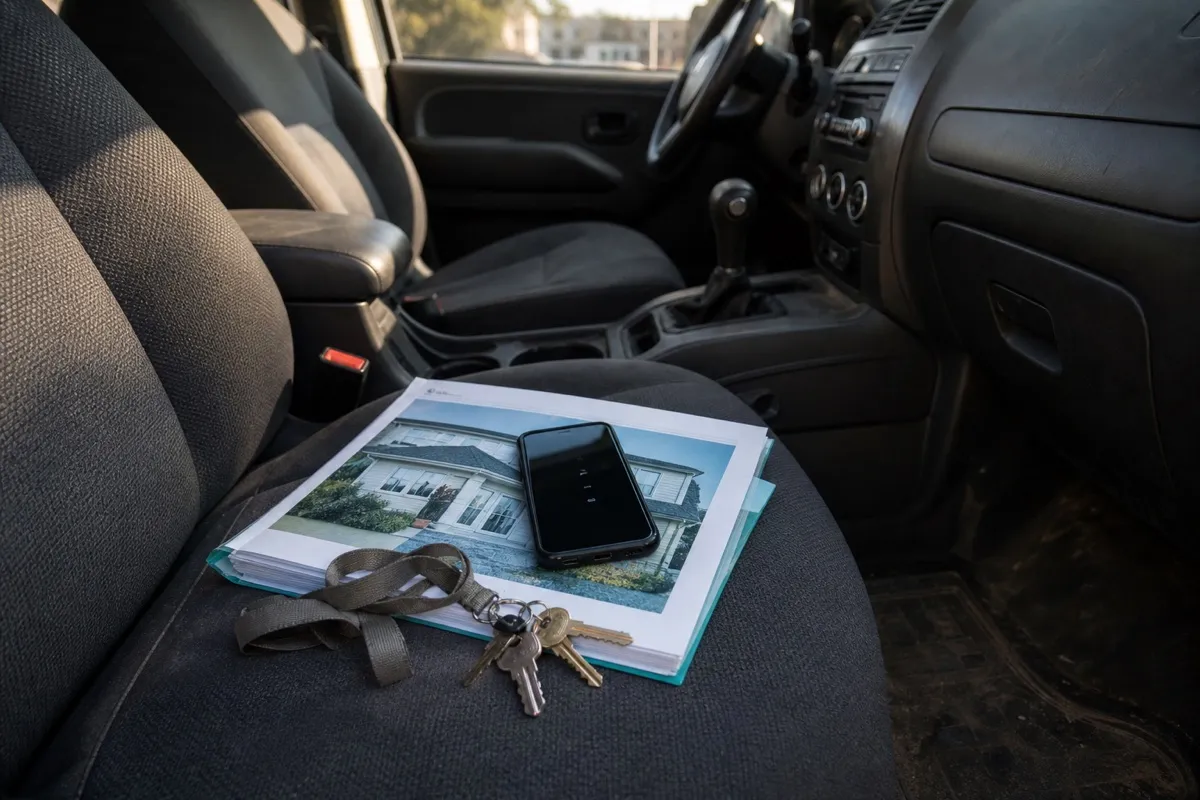
Ask an agent how the month went and they will run through the listings they took and the deals that settled. Almost nobody mentions the enquiries that landed while every agent was out at a viewing, or the seller who rang at half past eight on a Sunday and got voicemail.
Those calls never make it onto a report. There is no "listings we never got" line in the numbers. So most agents quietly assume the cost of a missed call is small. It is not, and this is the sum that shows why.
Why a missed call is a missed listing
Every seller who phones you is, somewhere in the back of their mind, deciding which agent to list with. The call is not idle curiosity. They are weighing you against the two or three other names they saw on a sign out the front or near the top of Trade Me.
When the phone rings out, you have not just missed a chat. You have missed your shot at the appraisal, which was your shot at the listing, which was your shot at the commission. The whole chain starts with someone picking up.
Why enquiry calls do not call back
Here is the uncomfortable part. A seller or buyer who reaches your voicemail rarely tries again. They are usually working down a shortlist they pulled off Trade Me or OneRoof, and the next agent is one tap away.
Speed-to-lead is brutal in this business. The agent who answers first gets the conversation, and very often gets the appraisal booked before anyone else has even seen the missed call. By the time you come out of a viewing and notice the number, that seller has already spoken to someone else and locked in a time for them to come around.
So a missed call is almost never a deferred call. It is a lost one.
When buyers and sellers actually call
The cruel timing is that people ring exactly when you are least able to pick up.
- Evenings, once they are home from work and scrolling the portals over dinner.
- Weekends, when nobody is at a desk but the property search is in full swing.
- Lunchtime, when half the team is out and the rest are heads-down.
- Mid-morning and late afternoon, prime viewing and appraisal slots, when you are out on the road.
None of that is a failing on your part. You physically cannot run a viewing, drive to an appraisal and answer the phone at the same time. But the caller does not know or care why nobody picked up. They just move on to the next name.

What one lost listing is worth
This is where the numbers stop being abstract. Put a commission on a single settled sale and the cost of a missed call becomes very real.
Say your average settled sale earns you a commission somewhere around NZ$13,000 to NZ$15,000 once the split washes through. That is a typical range for an agent on a mainstream sale price, not a precise figure for your patch, so swap in your own.
Now think about what sits behind one of those commissions:
- A lost listing is the whole commission gone, often NZ$14,000 or more.
- A lost viewing is a smaller but real miss, because viewings are how buyers turn into offers and how you build the buyer database that wins your next listing.
- A lost sale further down the chain can stall a whole run of linked deals, so a single dropped enquiry sometimes costs far more than one commission.
You only have to lose a handful of listings a year to a phone that nobody answered for the cost to run well into the tens of thousands.
A simple back-of-envelope model
You do not need a spreadsheet or a data analyst. Here is the rough model, and you can map it straight onto your own figures.
| Step | Typical example | Your number |
|---|---|---|
| Genuine new enquiry calls a week | 40 | |
| Share you miss (after hours, on viewings) | Around 20% | |
| Missed enquiry calls a week | 8 | |
| Calls that would book an appraisal | Around 1 in 4 | |
| Appraisals that convert to a listing | Around 1 in 3 | |
| Average commission per settled sale | NZ$14,000 |
Run that example through and it works out at roughly two-thirds of a listing lost every week. Across a year that is in the region of 30 to 35 listings you never got a shot at, and at NZ$14,000 a commission that is well over NZ$450,000 of business that never reached you. Even if half of those sellers would have picked a rival anyway, you are still looking at six figures a year walking past the door.
The point is not the exact figure. It is that the figure exists at all, and it is almost always bigger than agents expect, because the money you already spend on Trade Me, OneRoof and your signage is what made the phone ring in the first place. Losing the call is the cheap part to lose and the expensive part to lose. And remember, every answered enquiry is also a fresh chance to win the listing, which is why being reachable belongs in any honest plan for winning more listings.
The realistic fixes (and what each leaves on the table)
There are only a handful of ways to stop missing those calls. Here is the honest version of each.
- Voicemail, or doing nothing. Free, but it loses the lead. Most sellers will not leave a message; they call the next agent. Fine only if your volume is tiny and your callback discipline is genuinely watertight.
- In-house cover. An assistant or sales associate who knows your patch and your stock. Excellent during office hours, but it is a salary, and they are off at five, on lunch, on another line, or on leave, which is exactly the evening and weekend window where enquiries land.
- A traditional answering service. Cheaper than a salary and covers overflow and after-hours. The catch is that generic operators reading a script often cannot really qualify a property enquiry. You get a name and number, not the budget, timing and viewing request you actually need.
- An AI receptionist. Answers every call instantly, including evenings and weekends, and can be briefed on how you qualify an enquiry. It is software following its setup, so it is only as good as the brief, but it never goes to lunch and never clocks off. Jodie is one option in this category; there is a fuller overview on the real estate page if you want to see how it handles a property call.
We compare these four options properly, with costs and trade-offs, in the companion guide on answering service versus voicemail versus a receptionist. Which one fits depends on your call volume, your budget and how much after-hours cover you need.
The honest conclusion is dull but true: you have already paid to make the phone ring, so the only job left is to make sure someone, or something, always picks it up. Do the sum once on your own figures, decide which fix fits your business, and you will have turned an invisible leak into a number you can actually manage.
Related Jodie features
Frequently asked questions
- How much does a missed call cost a real estate agent?
- It depends on your average commission and how many calls you miss, but the maths adds up fast. If one settled sale earns you a five-figure commission and you miss even a handful of genuine enquiry calls a week, the lost-listing value runs into thousands a month. Run the simple model on your own numbers - it is usually a bigger figure than agents expect.
- How many calls do real estate agents actually miss?
- More than most realise. The busiest enquiry windows - evenings, weekends and lunchtime - are exactly when nobody is at a desk or every agent is out at a viewing or an appraisal. It is structural, not negligence: you cannot answer the phone and run a viewing at the same time.
- Do real estate agents answer their phones?
- Often they genuinely cannot. They are out running viewings, sitting an appraisal, or driving between appointments. The seller calling at 8pm off Trade Me does not know that; they just call the next agent on the list. That gap between when people call and when an agent is free to pick up is where the lost revenue sits.
More real estate agents guides

Real estate call handling: answering service vs voicemail vs receptionist
Voicemail, an in-house receptionist, a traditional answering service, or an AI receptionist. An even-handed look at how each option handles a real estate office phone, what it costs, and what it lets slip.

How to get more listings: a practical playbook for real estate agents
A complete playbook for winning more listings: get found locally, book more appraisals, turn appraisals into signed listings, and stop leaking enquiries to the agency down the road.

The best real estate agent software in New Zealand for 2026
A vendor-neutral guide to the software a New Zealand real estate agency actually needs in 2026, organised by job rather than brand, with the well-known tools in each category and who they suit.