
How to get more roofing leads: a contractor playbook
Where roofing leads really come from in the US, ranked by cost and conversion, plus the last step nobody else covers: picking up the phone.

On this page
- 1. Set up your Google Business Profile properly
- 2. Turn reviews and referrals into a system
- 3. Use directories, with your eyes open
- 4. Win local searches with simple SEO
- 5. Run paid ads only once the free channels are full
- 6. Can AI actually get you roofing leads?
- 7. The step every guide skips: answer the call
Most roofing lead guides are written by the people selling you leads. This one is not. In the US the leads that actually pay come from five places, roughly in order of cost and conversion: a Google Business Profile, customer reviews and referrals, directories like Angi, local SEO, and paid ads. Get those right, then close the loop with the step every other guide skips: answer the phone.
The first four cost time, not money. Paid is the most expensive. And none of it matters if the call rings out while you are up a ladder. Here is the playbook, channel by channel.
1. Set up your Google Business Profile properly
If you do one thing this week, do this. A Google Business Profile is free, it puts you in the local map pack, and it pulls in the highest-intent inquiries you will get: people searching "roofer near me" who want the job done now.
Fill in everything. Service areas, hours, a real phone number, photos of finished jobs, and the specific services you offer (flat roofs, shingle, metal, repairs). Profiles that are complete and active rank above the ones half filled in.
- Add fresh job photos every couple of weeks; an active profile beats a dormant one.
- List every town you cover, not just your base, so you show up across your service area.
- Reply to every review, good or bad. It signals you are a real, responsive business.
2. Turn reviews and referrals into a system
Word of mouth is the cheapest lead a roofer gets and the one most likely to book, because they arrive already trusting you. The mistake is leaving it to chance.
Make asking for a review a habit, not an afterthought. The best moment is the day the job finishes, while the customer is happy and standing under a roof that no longer leaks. Send a short text with a direct link to your Google review page.
Referrals work the same way. Tell happy customers you take on work by recommendation and would appreciate them passing your number along. Most people are glad to, they just need asking.
3. Use directories, with your eyes open
Angi, Thumbtack, HomeAdvisor and similar sites put you in front of people actively looking to hire. They work, but be honest about the trade-off: you pay either a membership or per lead, and on the pay-per-lead sites the same inquiry is often sold to three or four contractors at once.
That is fine if you treat them as one channel among several, not your whole pipeline. The leads can be good, but they are shared and price-shopped, so your win rate depends entirely on responding first and fastest. A directory lead you answer two hours later has usually already been booked by someone else.
4. Win local searches with simple SEO
Beyond your Google Business Profile, a basic website that ranks for "roofer in [your town]" keeps bringing in work for years with no ongoing ad spend. You do not need anything fancy.
- A page for each main service and each main town you cover.
- Your phone number and area on every page, in plain text.
- A handful of recent jobs with photos and a sentence on what you did.
- Consistent name, address and phone details across your site, profile and directories.
This is slow to build but it compounds. Unlike a paid ad, a page that ranks keeps working after you stop paying attention to it.
5. Run paid ads only once the free channels are full
Google and Meta ads, and pay-per-lead sites, can fill gaps fast, but they are the most expensive route and the easiest place to burn money. Roofing search terms are competitive, so the cost per click runs high, and that money is spent the moment someone clicks or the phone rings, not the moment you win the job.
So value the job behind the spend before you commit. If a lead costs you $50 and a typical job is worth $1,200 or more, the math works, but only if you actually convert. Paid leads are unforgiving: miss the call and you have paid full price for nothing. We have put real numbers on that in what missed calls cost a roofing business.
6. Can AI actually get you roofing leads?
People ask whether tools like ChatGPT can generate leads. The honest answer is no, not directly. AI content tools can help you write a profile description or draft an ad, but they do not make the phone ring, and they certainly do not answer it.
Where AI genuinely earns its place in roofing is the opposite end: capturing the leads you already have. An AI answering service picks up every call, day or night, qualifies it, and texts you the details, so the inquiry your ad or profile worked to create does not die in a voicemail box. That is the real lead-gen use of AI for a roofer, and it is the half nobody else talks about.
7. The step every guide skips: answer the call
Here is the part the lead sellers leave out, because it sells nothing. Every channel above ends the same way: the phone rings. And the roofer who picks up first wins the job. Not the best, not the cheapest, the first to answer.
That is brutal for roofers specifically, because you are physically up a roof or on a ladder when the call comes, hands full, often with no signal. So the lead you spent time or money generating goes to voicemail, and the homeowner taps the next name on Google. You did the hard, expensive half (generating the lead) and skipped the cheap half (capturing it).
So work the channels in order: profile and reviews first, directories and local SEO next, paid last. But fix the answering problem first, because more leads into a phone nobody picks up just means more money down the drain. If you want to see how that fits a roofing business end to end, start with our overview of call answering for roofing contractors.
Frequently asked questions
- How do you get roofing leads without ads?
- The free channels do most of the work: a fully filled-out Google Business Profile, real customer reviews, repeat work, referrals and a couple of directory listings. They cost time rather than money. The biggest free edge almost nobody uses is simply answering faster than the next contractor, because the homeowner books whoever picks up first.
- How can you use AI to get roofing leads?
- The most direct use is speed-to-lead. An AI answering service picks up every inbound call and inquiry 24 hours a day, qualifies it, and captures the details, so no lead is lost to voicemail while you are on a roof. Content and ad tools help you generate inquiries, but AI call answering is what actually captures them.
- Can ChatGPT generate leads?
- Not directly. ChatGPT can help you write a Google Business Profile description, draft review requests or sketch ad copy, but it does not make the phone ring or answer it. For roofing, the real AI win is not content, it is making sure every call that does come in gets answered and turned into a booked job.
- How much do roofers charge per day in the US?
- A working roofer day rate is commonly around $300 to $450, with a full job running to several hundred dollars or into the thousands. That is the value sitting behind every inquiry, which is why getting more leads is only half the job: the other half is making sure you actually answer the ones you already have.
More roofers guides
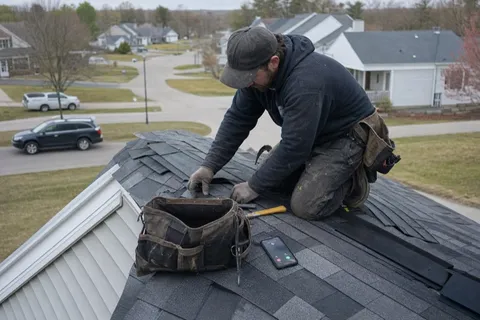
The real cost of a missed call for a roofing business
You pay good money for every roofing lead, then half of them ring out while you are up on the roof. Here is what each missed call actually costs, and how to plug the leak.
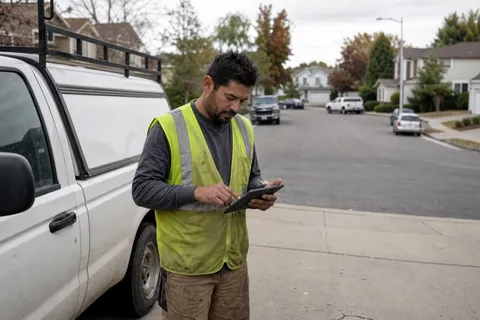
The best roofing software (and the layer the roundups skip)
A straight, priced buyer guide to the roofing software stack a US contractor actually needs, from measurement and estimating to CRM and scheduling, plus the front-of-funnel layer the directories ignore: who answers the call.