
How to start and grow a locksmith business in Canada
A practical, ground-up playbook for starting a Canadian locksmith business: training and kit, provincial rules, pricing, winning leads, and catching every emergency lockout call.

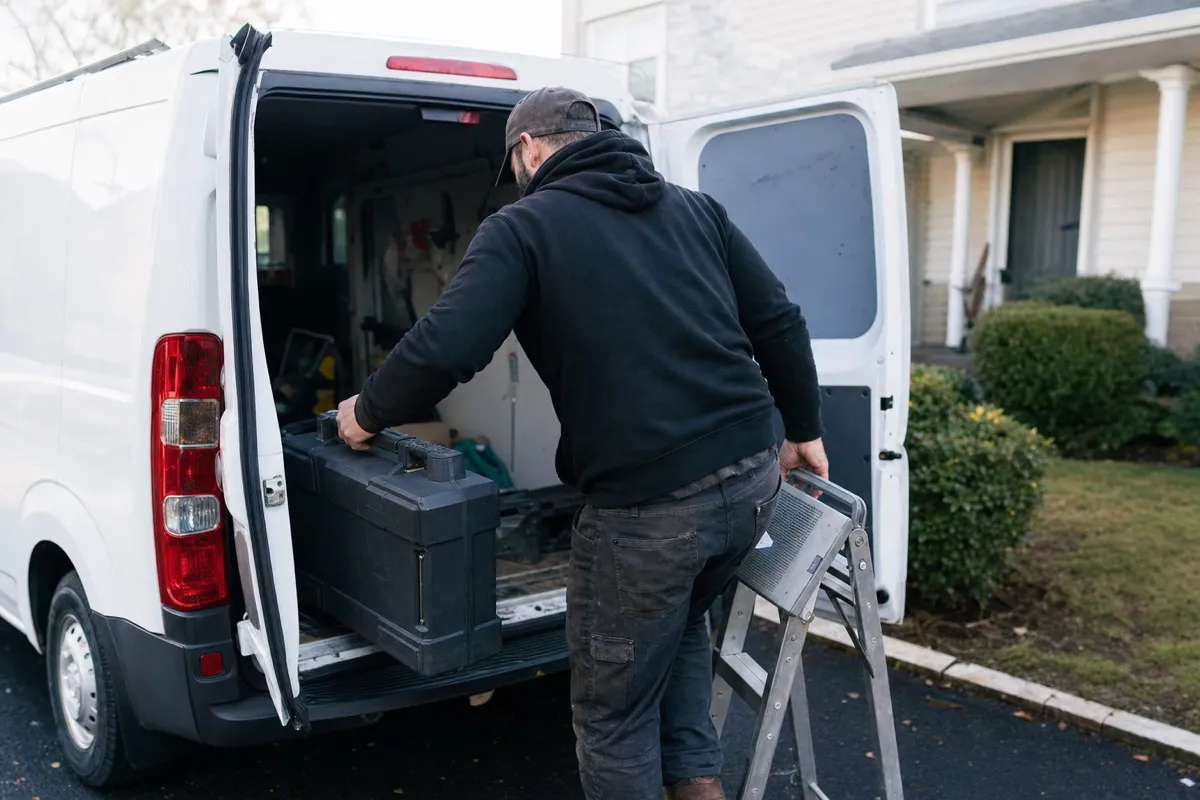
To start a locksmith business in Canada, train with a recognized provider, accredit with a body like ALOA, check whether your province regulates the trade, kit out a van, and set a clear rate card. Then register the business and win steady work through local marketing, dependable lead sources, and answering every emergency callout that comes in.
That last point is where most new operators leave money on the table, so this playbook gives real weight to winning and keeping work, not just getting trained and tooled up.
Is a locksmith business worth starting?
Locksmithing is one of the more accessible trades to enter and one of the steadier ones to run. Lockouts, lost keys, break-in repairs, and lock changes after a move or a tenant turnover happen all year round, so the work is not seasonal the way some trades are. A good share of it is urgent, which means customers care more about who turns up fast than who is cheapest.
The flip side is that it is competitive at a local level and a lot of the demand lands outside normal hours. Margins are healthy if you keep your schedule full and price emergency work properly, but the business only works if the phone gets answered when those urgent jobs come in. Keep that in mind through every step below: the kit and the training get you ready to work, but answering and winning the work is what pays.
Step 1: Get trained and accredited
There is no national licence to become a locksmith in Canada, but that does not mean you should skip training. A recognized course teaches you the practical skills (picking, drilling, non-destructive entry, lock fitting, key cutting) and gives you something to show customers and insurers.
- Take a course with a reputable training provider. Programs commonly cost in the region of 2,500 to 3,500 dollars depending on length and format.
- Accredit with an industry body. The Associated Locksmiths of America (ALOA) is the recognized name across North America, and its certifications signal that you are vetted and competent.
- Check your province and get a criminal record check. Some provinces regulate locksmiths under security-services licensing, and you will be entering people's homes and cars, so a clean check is reassurance customers increasingly expect.
Step 2: Sort your kit, van and tools
Your van is your workshop, so the early spend goes on getting mobile and equipped. You do not need everything on day one, but you do need enough to handle the common jobs without turning work away.
- A reliable van, wrapped or sign-written so it markets you on every drive. A used van keeps the outlay down; budgets range widely from a few thousand dollars for an older model upward.
- A core tool set: pick guns and picks, drills and bits, key-cutting equipment, and a stock of common deadbolts, cylinders, and handlesets so you can finish a job on the spot.
- Commercial general liability insurance, and tools-in-transit coverage so a break-in to your van does not take your livelihood with it.
These are the costs that quietly eat your early margin, so it is worth budgeting them properly. Our locksmith rates and earnings guide breaks down the real startup and running costs and what they mean for your take-home.
Step 3: Set your pricing
Decide your rates before your first call, not on the doorstep. Customers want a clear answer to "how much?", and fumbling it loses jobs and undercharges you.
Build a simple rate card covering the jobs you will do most:
- A callout fee that covers your time and travel to site.
- An hourly rate for labour. Canadian locksmith hourly rates commonly sit around 80 to 120 dollars, more in Toronto or Vancouver.
- Fixed prices for routine jobs like a standard lock change or a non-destructive entry.
- A clearly higher rate for nights, weekends, and statutory holidays. Emergency callouts justify a premium because of the response time and unsocial hours.
Be upfront about after-hours rates when the call comes in, so there are no surprises on arrival. For the full benchmark of what the Canadian market pays per hour, per callout, and after hours, see the rates and earnings guide.
Step 4: Get found
Once you can do the work and price it, the job becomes demand: making sure the right people find you when they need a locksmith. Most locksmith work is local and urgent, so the goal is to appear when someone in your area searches in a hurry.
- Set up a Google Business Profile and keep it complete and reviewed. For "locksmith near me" searches this is often the single biggest source of calls.
- Build a simple website that states your service areas, services, and rates, and is fast on mobile.
- List on directories like HomeStars and Yelp, and keep your ALOA "Find a Locksmith" listing current.
- Get reviews relentlessly. Ask every satisfied customer; in an emergency trade, social proof converts the nervous caller.
Local SEO and a wrapped van compound over time. The early months lean harder on directories and referrals while your own search presence builds.
Step 5: Win your leads
Marketing makes the phone ring; leads are what you do with that. There are two broad routes, and most established locksmiths use a mix.
- Organic leads: calls from your own Google profile, website, reviews, and word of mouth. These are the cheapest and best-quality leads, and they grow as your reputation does.
- Paid leads: directory lead-gen and pay-per-lead services, or paid search ads. These can fill gaps early on, but the cost per lead is real and the quality varies.
Be cautious with services that sell the same lead to several locksmiths. You end up in a race to call back first, and the margin is thin. Paid leads are a reasonable bridge while your organic flow builds, but the aim is to need them less over time, not more.
Step 6: Never miss a callout
Here is the part almost every "how to start a locksmith business" guide skips. Emergency lockouts and break-ins go to whoever answers first. A customer standing outside their own front door at 9pm does not leave a voicemail and wait; they hang up and dial the next locksmith on the list.
When you are one person, you cannot answer every call. You are down at a customer's door with a drill in your hand, or driving, or asleep. Every one of those missed calls is a priced job, often an after-hours emergency, walking straight to a competitor who happened to pick up.
This is exactly where an answering service earns its keep. An AI receptionist answers every call instantly, in your business name, captures the customer's location and problem, quotes your callout rate, and texts you the details so you can decide what is worth dropping a job for. You stay focused on the work in front of you without leaking the calls behind it.
Step 7: Choose your tools
As the work grows, juggling jobs in your head and quotes on scraps of paper stops scaling. The right software keeps your schedule, dispatch, invoicing, and call handling in order without hiring admin.
You do not need to buy everything at once. Start with what removes your biggest daily friction, usually scheduling and getting paid, and add from there. For a vendor-neutral look at the real options for a one-van operator, see our guide to the best locksmith software.
Done in order, these steps take you from trained and tooled to a business with a full, reliable schedule. The trade rewards the operators who treat winning and keeping work as seriously as doing it, and that starts with making sure not a single callout goes unanswered. See how that fits the wider picture of call handling for locksmiths.
Frequently asked questions
- Is locksmithing a good business to start?
- For most people, yes. Demand is steady because lockouts, break-ins, and lock changes happen all year round and rarely wait, and startup costs are modest next to most trades. The catch is that it is competitive locally and a lot of the work is unplanned and after hours, so the operators who do best are the ones who answer the phone reliably and price the urgent jobs properly.
- Do you need a licence to be a locksmith in Canada?
- There is no single national licence, but it can depend on your province. Several provinces regulate locksmiths under provincial security-services rules, so check what applies where you operate before you trade. Beyond any provincial requirement, accreditation with the Associated Locksmiths of America (ALOA) and a clean criminal record check are what customers and insurers increasingly look for, which makes them your credibility marker even where no licence is mandatory.
- Do locksmiths earn good money?
- A self-employed locksmith can earn well once established, with hourly rates commonly in the region of 80 to 120 dollars and emergency callouts higher, though take-home depends heavily on your van, tools, insurance, gas, and how full your schedule stays. The earnings come from steady job flow, not the headline rate. There is a fuller breakdown in our locksmith rates and earnings guide.
- Is there demand for locksmiths in Canada?
- Yes, and it is consistent rather than seasonal. People lock themselves out, lose keys, suffer break-ins, and change locks after moving or a tenant leaves right across the year, and a large share of that is urgent. Emergency lockouts in particular are recurring bread-and-butter work that goes to whichever locksmith answers and turns up first.
More locksmiths guides
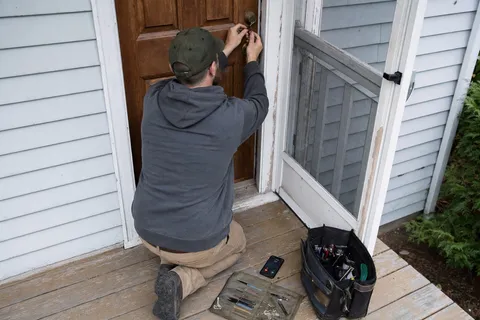
Best locksmith software in 2026: a Canadian one-van buyer guide
A vendor-neutral look at the software a Canadian locksmith business actually runs - scheduling, dispatch, invoicing and call handling - and how a one-van operator should choose. Not key-cutting or key-code tools.
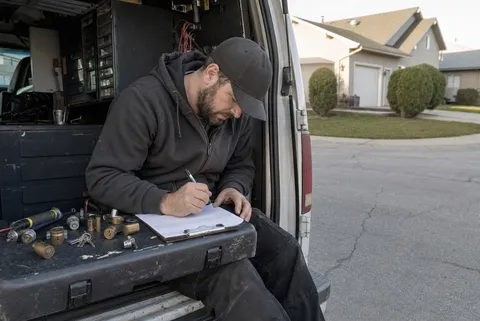
Locksmith rates in Canada: what to charge and what you take home
A Canadian operator's guide to setting locksmith rates and reading real earnings: standard, big-city and after-hours pricing, plus take-home once the van, tools and insurance are paid.