
How much does a towing business make in Ireland?
What does an Irish towing and recovery business actually clear? A walk through revenue per truck and per job, the costs that quietly eat the margin, and why a missed call is an unbilled tow that caps your profit.

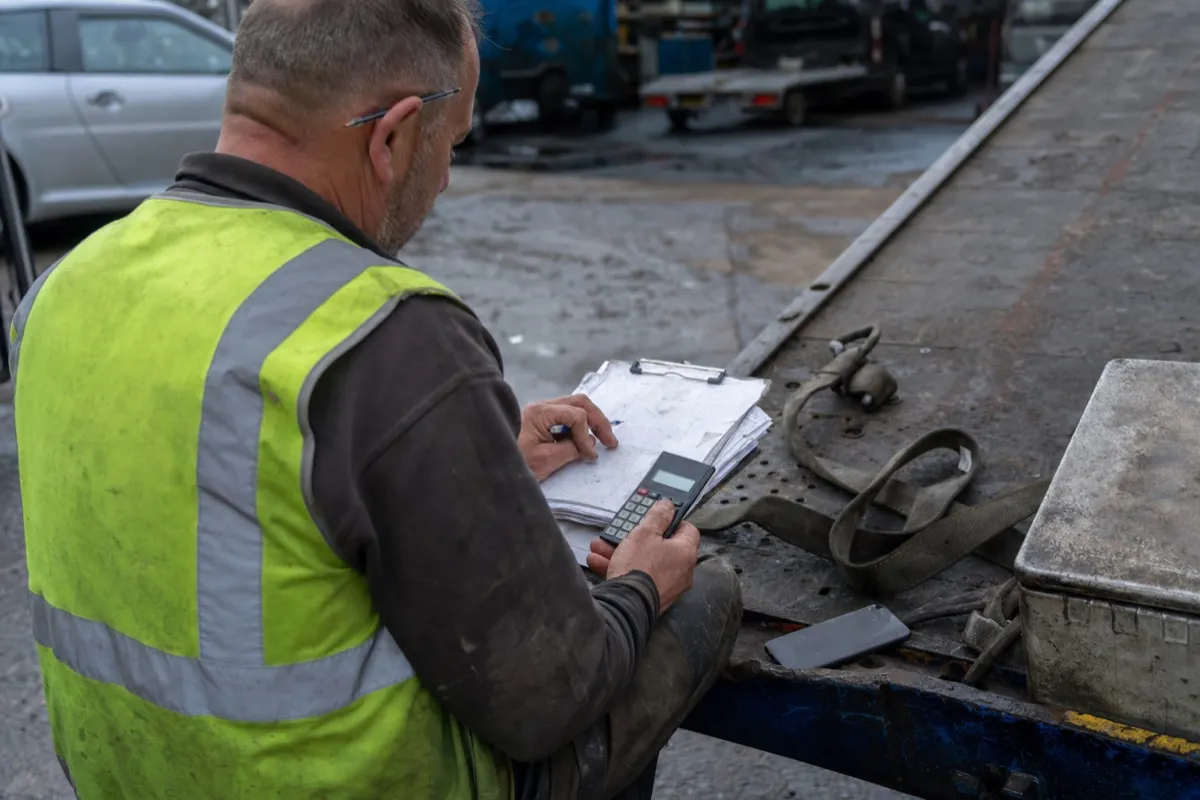
A one-truck towing and recovery business in Ireland typically takes home somewhere between 30,000 and 50,000 euro a year once fuel, insurance and finance are paid, while a small three-to-five truck operation can clear 65,000 to 130,000 euro. The margin is real but thinner than the day rates suggest, and it lives or dies on how many calls you answer.
Ask most recovery operators whether the business is profitable and you get a shrug. The day rates look healthy, the phone rings at all hours, and yet the bank balance never quite matches the effort. The gap is rarely one big leak. It is a handful of costs nobody totals up, and a pile of calls nobody ever billed.
What a towing business actually makes
Revenue per truck is the number to start with. A single working recovery truck, kept busy, brings in roughly 4,500 to 10,000 euro a month before costs. The spread is wide because it depends entirely on your job mix: cash and private recoveries at the top, fixed-rate roadside-club work at the bottom, and storage income quietly topping it up.
Turn that into take-home and the picture is more sober. After fuel, insurance, the truck payment and the odd repair, a solo owner-operator running one truck clears something like 30,000 to 50,000 euro a year. Add trucks and drivers and the owner take-home climbs, but so do the fixed costs. The economics only really open up once you have the contract volume to keep several trucks moving and a yard filling with stored vehicles.
What a recovery truck actually bills
Here is roughly what each type of job earns, split by whether it is cash and private or paid at a roadside-club rate. Treat these as illustrative bands, not a price list. Your county, your kit and your contracts move every figure.
| Job type | Cash / private | Club rate | Notes |
|---|---|---|---|
| Light-duty local recovery | 90 to 170 euro | 40 to 90 euro | Cars and vans, short distance |
| Long-distance / motorway tow | 150 to 450 euro | Per-km plus call-out | Priced mostly on distance |
| Heavy-duty recovery and winching | 350 to 900+ euro | Specialist rate | Needs the right kit and training |
| Accident / Garda recovery | 150 to 400 euro | Rotation rate | Often bundles the tow with storage |
| Vehicle storage / impound | 25 to 50 euro per day | Same | Recurring until collected - the quiet earner |
Notice the last row. A single tow is a one-off payment, but a stored vehicle charges every day it sits on your yard. That recurring line is where a lot of the real margin hides, which is the whole point of the 80 percent rule further down.
What eats the margin
The day rates look generous until you line up the costs against them. For a recovery operator the big ones are predictable, and most of them are fixed whether the truck moves or not.
- Commercial vehicle insurance. The single biggest fixed cost, and far higher than a normal van policy because you are carrying other people's vehicles. This is the line that surprises new operators most.
- Fuel. A flatbed drinks diesel, and you burn it driving to jobs you have not been paid for yet (no-shows, cancelled call-outs, the car that got going again before you arrived).
- Truck finance and maintenance. The payment on the truck, plus tyres, the winch, hydraulics and the CVRT. Recovery kit takes a hammering.
- Roadside-club discount. Steady work from the AA and similar clubs comes at a fixed, lower rate. Great for filling quiet periods, thin on margin if it is all you do.
- Licensing, permits and network fees. A road transport operator licence, any recovery network membership, and the admin that comes with Garda or impound work.
None of these are optional, and you can only shop a couple of them around. Which is exactly why the revenue side - how many jobs you actually capture and bill - matters more than shaving cents off the diesel.
The hidden margin killer: the unbilled job
Here is the cost that never appears in any account. Breakdown calls do not wait. When a stranded driver phones, they ring the next company on the list within minutes if you do not pick up. And in recovery you are often the worst-placed person alive to answer: you are winching a car onto the flatbed, strapping down an axle, or driving the motorway with both hands on the wheel when the phone goes.
So the call rings out. There is no missed-job report, no line in the books, no reminder. The job simply never existed as far as your numbers are concerned. But it was real revenue, and it went to whoever answered. Miss enough of them and your effective margin is set not by your rates but by your answer rate.
This is the one lever most operators never pull. You have already paid for the listing, the signage and the recovery network that makes the phone ring. Making sure every call gets answered, day or night, is the cheapest way to lift the revenue line without taking on a single new cost. It is the whole reason an AI answering service for towing exists: the phone gets answered and the job gets captured while you stay on the recovery.
The 80 percent rule and where the real money is
Spend any time around recovery operators and you will hear the 80 percent rule. It is the rule of thumb that around 80 percent of a towing company profit comes from vehicle storage and impound fees, not from the tow itself. The recovery is what gets the vehicle onto your yard; the daily storage charge is what quietly compounds while it sits there waiting to be collected, written off, or auctioned.
That reframes the whole business. A pure call-out-and-drop model leaves the best money on the table. The operators with healthy margins are the ones winning the work that feeds storage: accident and Garda recovery, impound, abandoned and untaxed vehicles. It is also why your contract mix matters as much as your rates, which is the subject of our guide on how to get towing contracts.
How to improve your margin
You move a recovery business from breaking even to genuinely profitable on three fronts, not by working more hours.
- Fix your job mix. Chase the work that generates storage and recurring income rather than only one-off cash tows. The 80 percent rule is telling you where the profit actually sits.
- Raise your answer rate. This is the fastest win and costs almost nothing. Every call captured is a job billed; every call missed is margin gone. Pair the right tools with a way to answer the phone, and our roundup of the best towing software covers the dispatch and billing side.
- Know your start-up numbers. If you are still building up, expect a serious outlay on the truck, kit and that commercial insurance before the first job pays. The revenue, though, only ever follows the calls you answer.
The point is not the exact figure above. Take ten minutes and run your own: your average bill per job, times the new-customer calls you reckon you miss in a week, times fifty-two. Whatever falls out the bottom is roughly what answering every call is worth to you. For most recovery operators it is the single cheapest way to grow, and you can see how it works on our overview of call answering for tow operators.
Frequently asked questions
- Is the towing business profitable?
- Yes, but the margin is thinner than the day rates suggest. A one-truck operation can take home roughly 30,000 to 50,000 euro a year after fuel, insurance and finance, and a small fleet far more. The figure swings most on two things: your mix of storage and recovery work, and how many calls you actually answer. Every breakdown call you miss is a tow that bills nothing.
- How much does a tow truck make per month?
- A single working truck typically brings in somewhere between 4,500 and 10,000 euro a month in revenue, before costs. Cash and private jobs pay best; AA and other roadside-club work pays a fixed, lower rate in exchange for steady volume. After fuel, insurance and the truck payment, the owner take-home from one truck is usually a few thousand euro a month, which is why answered-call volume matters so much.
- What is the 80 percent rule for towing?
- The 80 percent rule is the industry rule of thumb that around 80 percent of a towing company profit comes from vehicle storage and impound fees, not the tow itself. The recovery gets the vehicle onto your yard; the daily storage charge is what builds up while it sits there. It is a reminder to chase the work that generates storage, not just the call-out.
- What eats into towing profit the most?
- Three things, in order: commercial vehicle insurance (the single biggest fixed cost for a recovery operator), fuel, and missed calls. The first two you can shop around but cannot avoid. The third is pure lost revenue: a breakdown call you do not answer becomes a tow that bills nothing, so a low answer rate quietly caps your margin no matter how cheap your diesel is.
More towing services guides
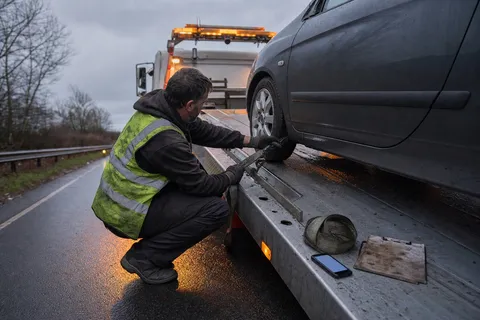
Best towing software in 2026: an honest buyer guide for Irish operators
An independent buyer guide to towing software for Irish operators. Compare the real dispatch, impound and billing tools in one table, see what each tier costs in euro, and find the one layer of the stack every vendor skips: how the phone gets answered.
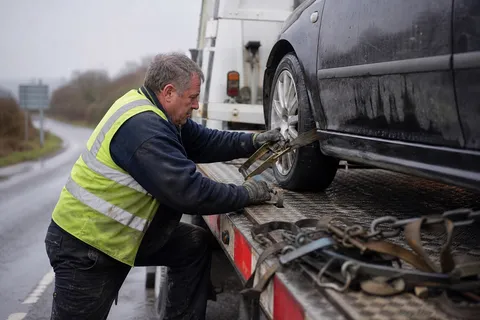
How to get towing contracts in Ireland: roadside clubs, Garda recovery and private accounts
A practical playbook for winning towing contracts in Ireland: the four contract types, who to approach for each, what they require, and the 24/7 answer rate and response time that win the work and keep it.