
What salon no-shows and missed calls really cost you
Most salon advice stops at "wages and rent stay fixed." Here is the actual maths on what empty chairs, no-shows, and unanswered calls cost your salon in a year, plus a cancellation policy that holds up and the always-on fix.

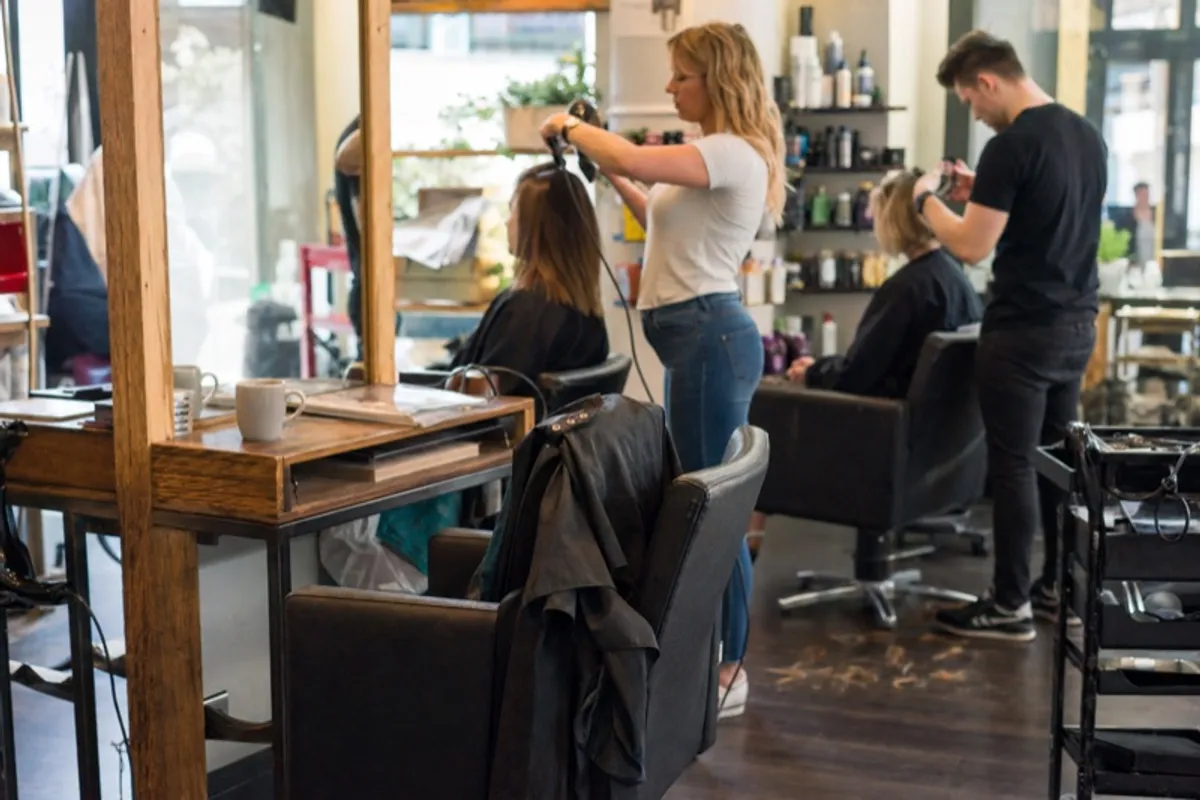
No-shows and missed calls really cost a salon the average ticket value of every empty slot, multiplied across all your chairs and working days. A four-chair salon losing a handful of bookings a week at, say, 50 pounds a head can leak tens of thousands of pounds a year in perishable chair time alone, before wasted colour product and the enquiry calls that rang out unanswered. The fix is a disclosed cancellation policy with deposits, plus answering every call.
Most salon advice about no-shows stops in the same place. It tells you wages and rent stay fixed whether the chair is full or empty, then hands you a few template policies and calls it done. What it never does is the actual sum: what those empty chairs add up to over a year, and what the phone ringing out while you are mid-blow-dry is quietly costing on top.
So let's do the maths the listicles skip, write a policy that actually holds up, and then deal with the bigger leak nobody mentions.
What a no-show actually costs
A salon chair is the most perishable thing you sell. A 2pm slot that nobody fills is gone at 2:01. You cannot stock it, discount it later, or sell it twice. That is what makes no-shows so much worse than they feel in the moment.
Here is the model. Take your average ticket, your no-show rate, your number of chairs, and your working days, and the annual figure falls straight out.
- Say your average ticket is around 50 pounds, across cuts, colour, and the bigger treatments.
- Say each chair loses 2 no-shows or late cancellations a week. That is conservative for a busy salon.
- Across 4 chairs that is 8 lost slots a week.
- At 50 pounds a slot, that is 400 pounds a week.
- Over a 50-week year, that is 20,000 pounds gone.
And that figure is the floor, not the ceiling. It ignores the colour and product already mixed for a booking that never walked in, the lapsed regular you did not rebook because the slot sat empty, and the staff member you are paying to stand at an idle station. The wage goes out whether the chair earns or not, which is exactly why an empty chair stings twice.
The bigger leak: the call that never became a booking
A cancellation policy deals with bookings that fall through. It does nothing about the bookings you never took in the first place.
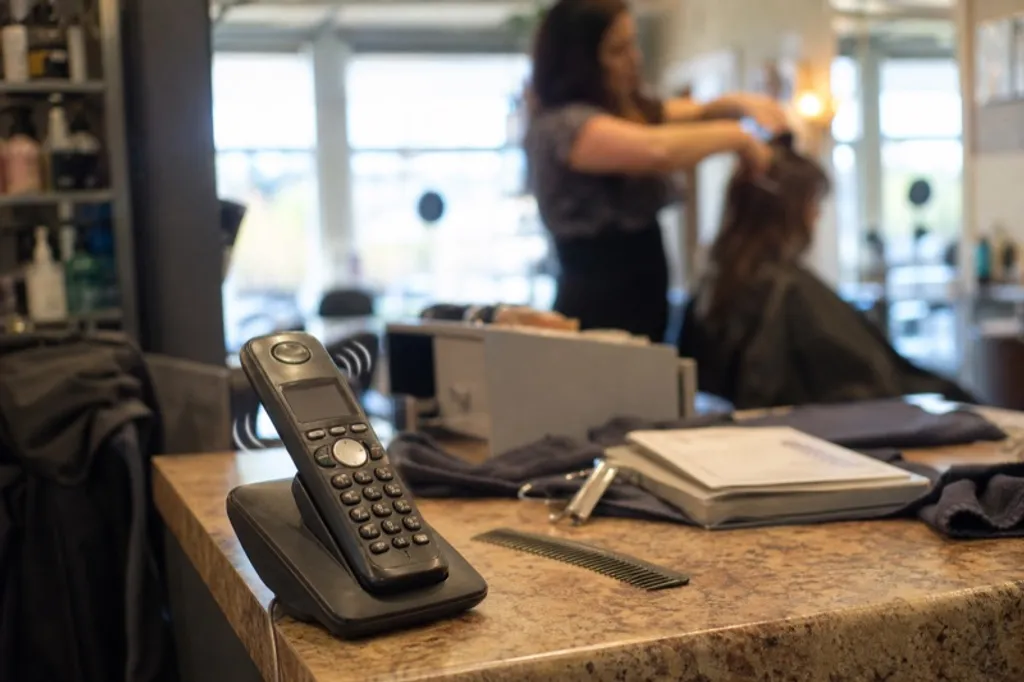
Picture a normal Saturday. Every stylist is on the floor, hands full, music up. The phone rings. A new client who just found you on Google, or saw your work on Instagram, wants to book a colour. Nobody can break off mid-foils to answer, so it rings out. That caller does not leave a voicemail. They tap the next salon on the list and book there instead.
That enquiry never shows up in any report. There is no missed-booking log the way there is a no-show note in the diary. So most owners assume it rarely happens. It happens all day, and it is worse than a no-show: a no-show at least booked once, so you have their details and can chase a rebook. The unanswered enquiry leaves nothing behind.
It also burns the money you already spent. You paid for the ads, the Google listing, and the social posts that made the phone ring. A written policy cannot capture a call that was never answered, and that is the leak it quietly leaves wide open. If filling chairs is the real goal, the demand you already pay for is the first place to plug it.
A cancellation policy that actually holds up
You still need the policy. It is table stakes, and a good one stops the bleed on bookings you did take. The trick is making it enforceable, not just printed.
Three things make a salon cancellation policy stick:
- A clear notice window. The norm is 24 or 48 hours. Inside that window, a fee applies; outside it, the client can move freely.
- A deposit or card on file. A policy with no deposit is a polite request. A 30 to 50 percent deposit taken at booking is a policy with teeth, because there is something to forfeit.
- Disclosure at the point of booking. The client must see and agree to the terms when they book, not discover them after a no-show. That is what makes a charge fair and enforceable.
Short wording you can adapt: "We ask for 48 hours notice to change or cancel. A 50 percent deposit is taken at booking. Cancel inside 48 hours or miss your appointment and the deposit is retained. Booking confirms you agree to these terms." Plain, disclosed, and tied to a deposit, that holds up.
Tiered policy examples: notice window to fee
A flat "no-show equals full charge" feels harsh for someone genuinely stuck in traffic and toothless for someone who just forgot. Most salons tier it by how late the change comes.
| Notice given | What happens | Fee |
|---|---|---|
| More than 48 hours | Reschedule freely | No charge |
| 24 to 48 hours | Late cancellation | 50 percent deposit retained |
| Under 24 hours / same day | Late cancellation | Full deposit retained |
| No-show | Did not attend | Full deposit, card charged |
Tiering does two things. It is fairer, so clients accept it, and it nudges the genuinely-stuck ones to call early rather than vanish, which gives you a chance to refill the slot. Whatever tiers you pick, keep the wording identical wherever a client sees it: the booking confirmation, the reminder text, and the page where they book.
Stop the bleed and capture the demand
Two leaks, two fixes, and you need both. The policy stops the bleed on bookings you took. Answering every call captures the bookings you would otherwise never take.
A reminder the day before cuts no-shows. A held deposit means a no-show is not a total loss and frees you to chase a rebook. But neither does anything for the call that rings out while four pairs of hands are busy. For that you need something that answers the phone even when nobody at the salon can, takes the booking details, and texts them straight to you, so a no-show gap gets refilled instead of staying empty.
That is where an always-on answer like Jodie fits. It picks up while the chair is occupied, captures the enquiry off your marketing spend, and never sends a new client to voicemail. It sits alongside whatever booking system you run, handling the phone the booking tool cannot.
The point is not the exact number
Your figure will not match the example. Maybe your average ticket is higher, maybe you run two chairs or eight, maybe you lose one no-show a week or six. The exact total matters less than doing the sum at all.
Spend ten minutes this week: your average ticket, times a realistic guess at no-shows per chair per week, times your chairs, times your working weeks. Whatever number falls out, that is roughly what a tighter policy and a phone that always gets answered are worth to you.
You have already paid to make the phone ring and the chairs fill. The job now is to keep the bookings you take and stop dropping the ones you nearly had. For how that works across the whole salon, start with our overview of call answering for salons.
Frequently asked questions
- Do hairdressers have a cancellation policy?
- Yes, almost all established salons do. The standard is 24 to 48 hours notice; cancel inside that window or no-show and a fee applies, usually a deposit forfeited or a percentage of the booking. The policy only holds up if it is disclosed when the client books and a deposit or card is held at that point.
- What is a reasonable salon cancellation policy?
- 24 or 48 hours notice, with a 30 to 50 percent deposit or fee charged when a client cancels late or fails to show. Most salons tier it: more than 48 hours is free to move, same-day is a partial charge, and a no-show forfeits the full deposit. Disclose it at booking so it is fair and enforceable.
- Can a hair salon charge for a missed appointment?
- Yes, provided the policy was disclosed at booking and you hold a deposit or card on file. The charge is enforceable when the client agreed to the terms up front and you can show they did. A policy buried on a website nobody read, with no deposit taken, is much harder to enforce, so capture agreement and a deposit at the point of booking.
- What do no-shows cost a salon?
- Multiply your average ticket by your no-show rate across every chair and working day. A single salon running four chairs, losing a few slots a week at an average ticket, easily loses tens of thousands of pounds a year in perishable chair time, before you count the colour product wasted and the enquiry calls that rang out while staff were mid-service.
More hairdressers guides

How to get more salon clients (without wasting the demand you pay for)
A straight-talking playbook for filling your salon chairs - the marketing tactics that actually work, plus the step every listicle skips: making sure someone answers when the new client calls.
The best salon booking software in 2026 (honest comparison)
A neutral, operator-trusted comparison of the real salon booking platforms - Fresha, Booksy, Square, Slick, Phorest, Treatwell and Timely - with price, best-for and booking channel in one table, plus the gap every booking page dodges: none of them answers the phone.