
How to get more HVAC leads: the full playbook
Where air conditioning and heating leads actually come from for Aussie operators, ranked by cost and conversion - plus the lever most guides skip: answering the call.

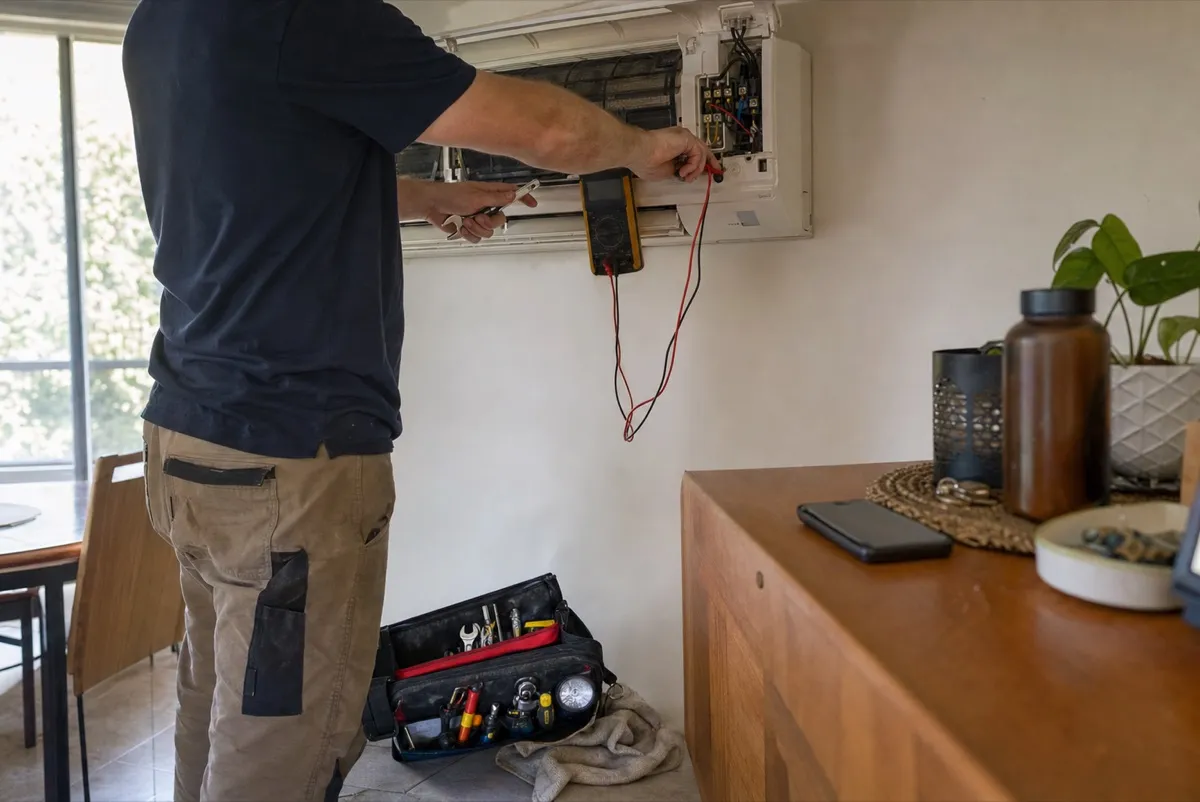
More air conditioning and heating leads come from a handful of dependable channels, roughly in this order of cost and conversion: a complete Google Business Profile, steady customer reviews, referrals and maintenance plans, lead sites and directories, paid ads, and the lever most guides skip - answering every call fast so the leads you already pay for actually book.
Most advice on winning more work fixates on generating enquiries. Ads, search, lead resellers. That matters, but it skips the cheapest win on the list: plenty of outfits already generate more than enough calls and then let them ring out while the tech is on a job. This playbook walks the full channel mix, ranked by what it costs and how well it converts, and it starts where the money leaks fastest.
1. Answer every call, fast
This is the strategy nearly every lead guide buries or ignores, so it goes first. A homeowner with a dead split system in a 40-degree heatwave does not leave a voicemail and wait around. They ring the next outfit on the list. Speed to answer is the single biggest difference between a lead you paid for and a job you actually booked.
The trouble is that you are up on a roof, behind a condenser, or elbow-deep in a ducted unit when the phone goes. You cannot answer and work at the same time, and after hours nobody is picking up at all.
- Track how many calls go to voicemail in a normal week. Most owners are floored.
- Multiply that by your average job value to see what is walking out the door.
- Decide who, or what, covers the calls you physically cannot take.
This is the same maths behind what an answering service costs versus what a missed call costs you. You have usually already paid to make the phone ring through Google or ads. Letting it ring out is the most expensive mistake on this whole list.
2. Get your Google Business Profile working
For local air conditioning and heating work, your Google Business Profile is the highest-intent free channel there is. Most people searching "air conditioning near me" never scroll past the map pack, so landing in it is the closest thing to free, ready-to-book leads.
- Fill out every field: services, hours, service area, and real photos of your ute and finished work.
- Keep it active with the odd post and a quick reply to every review.
- Make sure your name, address, and phone number match exactly across your website and directories.
It costs nothing but attention, and it usually beats paid channels on conversion because the caller found you and chose you.
3. Build a steady stream of reviews
People trust reviews almost as much as a personal recommendation, and for a trade where they are letting a stranger into their home, that trust is everything. An outfit with eighty recent reviews wins over one with six, even at a higher price.
The mistake is treating reviews as something that just happens. Systematise it instead.
- Have every tech ask for a review at the end of a good job, while the relief of cool air is fresh.
- Send a follow-up text with a direct link so leaving one takes ten seconds.
- Reply to every review, good or bad, so future callers see you are switched on.
4. Work lead sites and directories honestly
Platforms like hipages and Oneflare put you in front of people actively looking to hire. They can be a solid source of work, but go in clear-eyed about the trade-off: you usually pay per lead or per membership, leads are often shared with competitors, and margins get thinner the more you lean on them.
Use them to fill gaps, not as your whole pipeline. Treat every directory lead as something you paid for, which means answering it fast and following up properly, or you are burning money twice.
5. Build referrals and maintenance plans
Referrals are the cheapest, highest-converting leads you will ever get, because someone has already done the selling for you. A happy customer who recommends you sends work that barely needs winning.
Maintenance and service plans are the engine here. A pre-summer split system clean or a seasonal ducted check keeps you in front of the customer, brings predictable repeat work, and turns one-off jobs into a relationship that throws off referrals for years.
- Ask satisfied customers directly if they know anyone who needs work done.
- Offer a small thank-you for referrals that turn into jobs.
- Put every install customer onto a maintenance plan before you leave the job.
6. Use paid ads where the maths works
Paid search and pay-per-lead can absolutely pay off, but go in knowing the cost. Clicks for air conditioning terms are among the priciest in the trades, so a wasted click or an unanswered call hurts more here than almost anywhere.
That is the point that ties this whole playbook together. Paid ads only make sense if you capture what they generate. Spending to make the phone ring and then sending half those callers to voicemail is the fastest way to make paid leads look unprofitable when the real problem is at the other end of the call.
Done right, getting more air conditioning and heating leads is less about one clever channel and more about plugging the leaks across all of them, starting with the calls you already pay for. Get the answering right, then layer the channels on top, and see how it fits the bigger picture of running an HVAC business.
Frequently asked questions
- How much do HVAC leads cost?
- It depends on the channel. Pay-per-lead enquiries from sites like hipages or Oneflare typically run from around thirty to ninety dollars each, and shared leads cost less than exclusive ones. Paid search clicks for air conditioning are some of the priciest in the trades. The cheaper play is converting the leads you already pay for, so fewer of them ring out.
- How do you get HVAC leads for free?
- The closest thing to free leads is a complete Google Business Profile, a steady flow of customer reviews, and referrals from past jobs. None of them cost money to start, only time and consistency. They also tend to convert better than bought leads because the caller chose you instead of a list of three quotes.
- Can an HVAC business make $100,000 a year?
- Yes. A solo air conditioning tech who keeps the diary full and quotes jobs properly can clear six figures in turnover, and small crews go well past it. The limiter is rarely demand. It is usually how many calls get answered, booked, and turned into paid work instead of lost to voicemail.
- What is the cheapest way to get more HVAC customers?
- Stop losing the leads you already generate. Most outfits spend on ads and lead sites, then let a third of those calls hit voicemail while a tech is up on a roof. Answering every call, fast, costs a fraction of buying more leads and turns spend you have already made into booked jobs.
More air conditioning & hvac guides

What an air conditioning answering service costs (and what one missed call costs you)
Every provider hides the price behind a "get a quote" button. Here is the real cost model in dollars, a realistic monthly range, and what missing one after-hours call actually costs your business.

The best HVAC software for a small business
A small-operator-first roundup of HVAC and air conditioning software for Australian trades, with real dollar price ranges, plain pros and cons, and the layer the vendor lists skip: who answers the phone.